 By
Avinash Vagh
By
Avinash Vagh
Where to Launch a New SaaS Product?
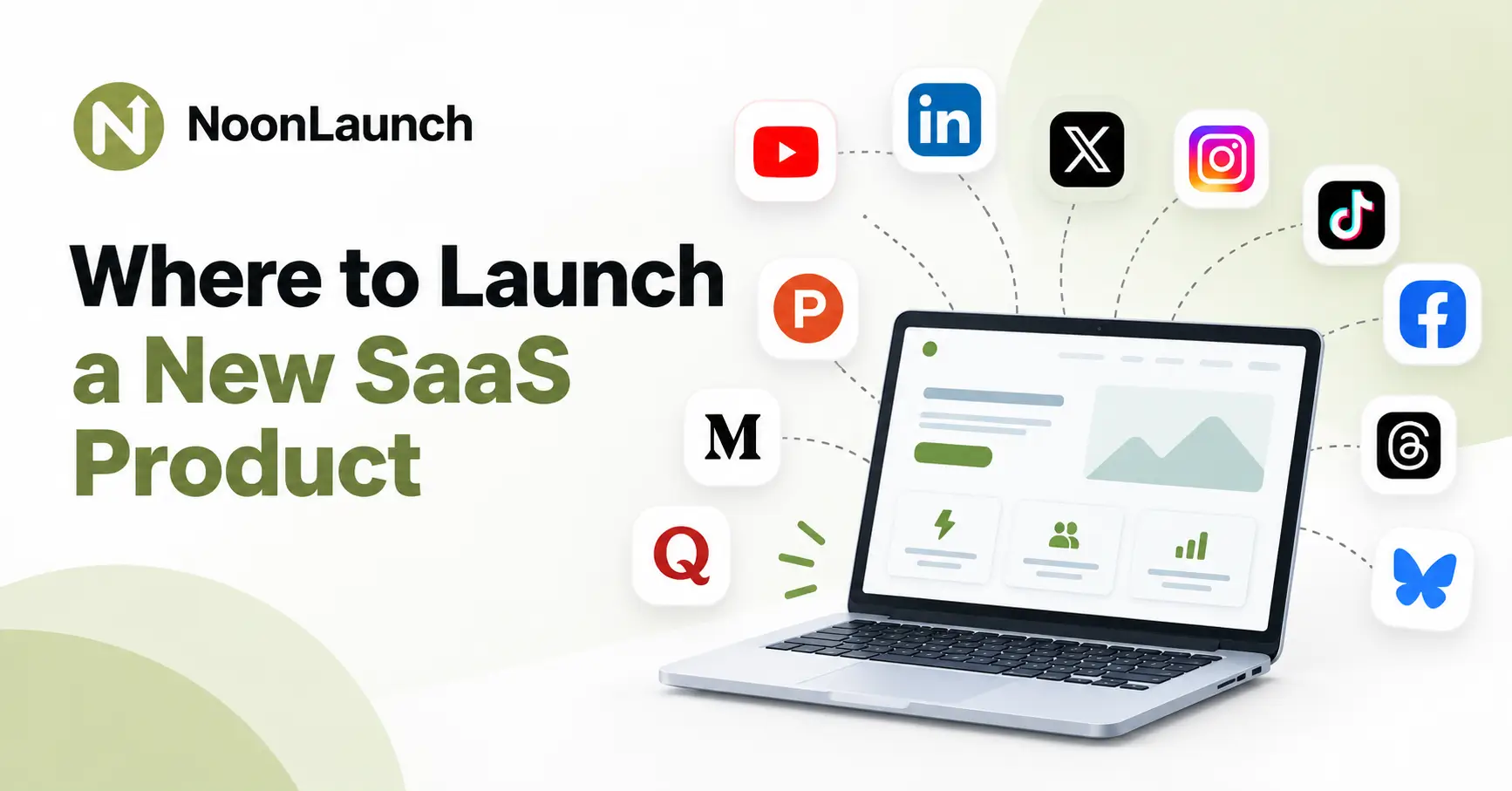
Launching a new SaaS product is not just about putting your website online and waiting for customers to find it.
If your product is brand new, Google has very little information about your company, your product, your brand name, or the people behind it. There may be no searches for your brand yet, few external references, and almost no third-party pages explaining what your product does.
That is why a strong SaaS launch should create a digital footprint across multiple trusted platforms, not just a single launch website.
The goal is not to create dozens of random backlinks.
The goal is to make your product discoverable, recognizable, referenceable, and easy to verify.
A good launch stack can include your own website, social profiles, creator platforms, communities, SaaS directories, content platforms, and dedicated product-launch platforms such as Product Hunt.
Where should you launch a new SaaS product?
For a new SaaS product, start by building your brand presence on platforms where your potential customers already spend time.
A practical launch stack looks like this:
Your own SaaS website
YouTube
LinkedIn
X
Facebook
Instagram
TikTok, where relevant
Threads
Bluesky
Medium
Quora
Product Hunt
Relevant SaaS directories
Industry-specific communities
Founder and developer communities
Not every platform will generate a valuable backlink.
That is not the point.
Each platform can serve a different purpose: brand discovery, audience building, content distribution, community participation, referral traffic, product validation, or search visibility.
Google itself now provides Search Console capabilities for analyzing how content from platforms such as Instagram, TikTok, X and YouTube performs in Google Search. That makes social content a measurable part of a broader search presence rather than something completely separate from SEO.
1. Start with your own website
Before launching anywhere else, make sure your SaaS website is ready.
Your website should be the canonical source of truth for the product.
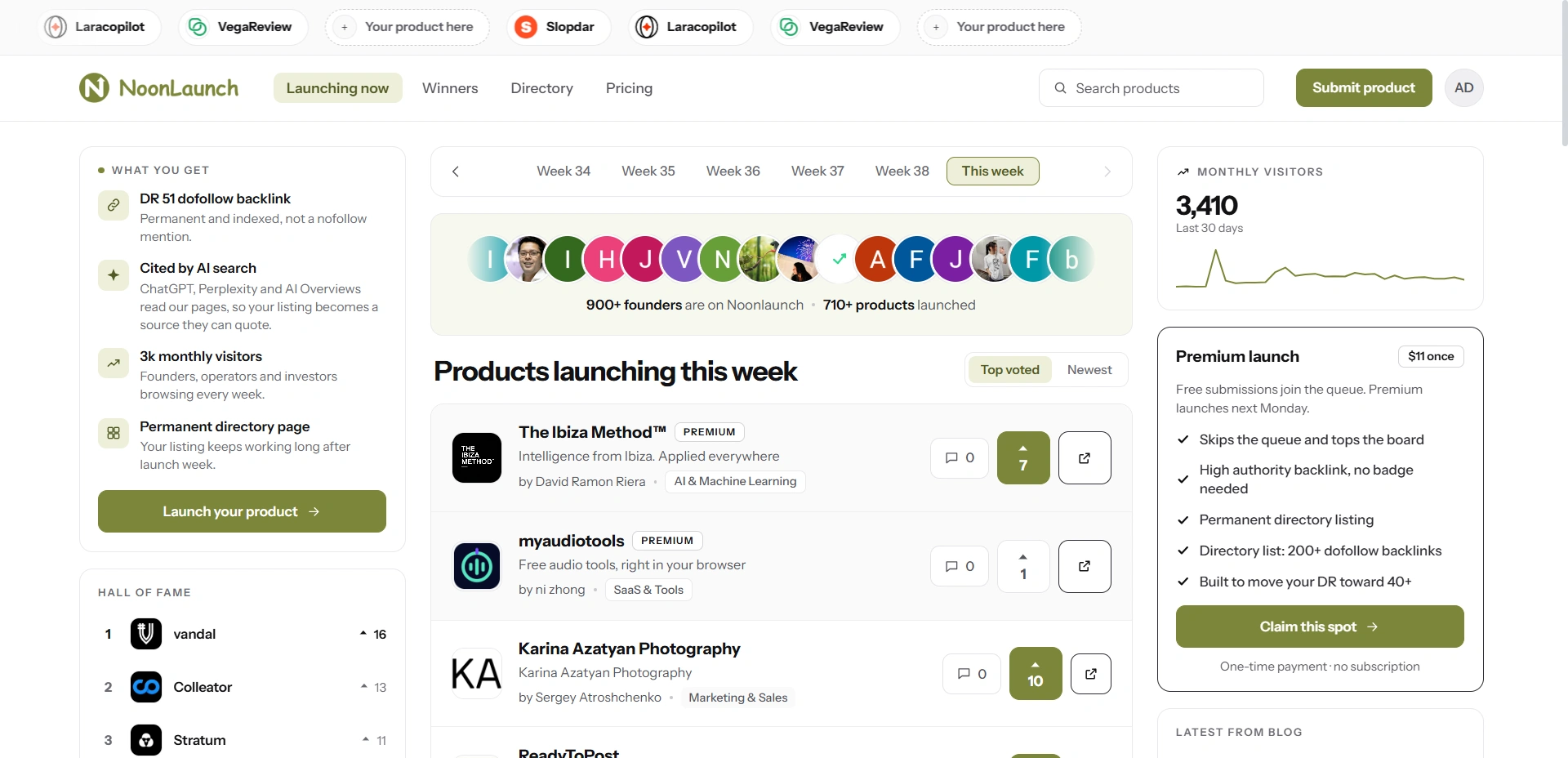
At minimum, have:
Homepage
Product/features page
Pricing page
About page
Contact page
Documentation or help center, if relevant
Blog or resources section
Privacy policy
Terms of service
Clear company/product name
Consistent logo and description
Your website should clearly answer three questions:
What is this product?
Who is it for?
Why should someone use it?
This matters for both traditional search and AI-powered discovery.
If your homepage simply says something vague like "The future of productivity," there is not much useful information for a search engine, customer, or AI system to understand.
Instead, explain the product directly.
For example:
Acme is an AI project management platform for remote software teams that automatically turns meetings into tasks, assigns owners, and tracks project progress.
That single sentence gives search systems considerably more context.
2. Create your YouTube channel
YouTube should be part of the launch stack for most SaaS products, especially products that require explanation.
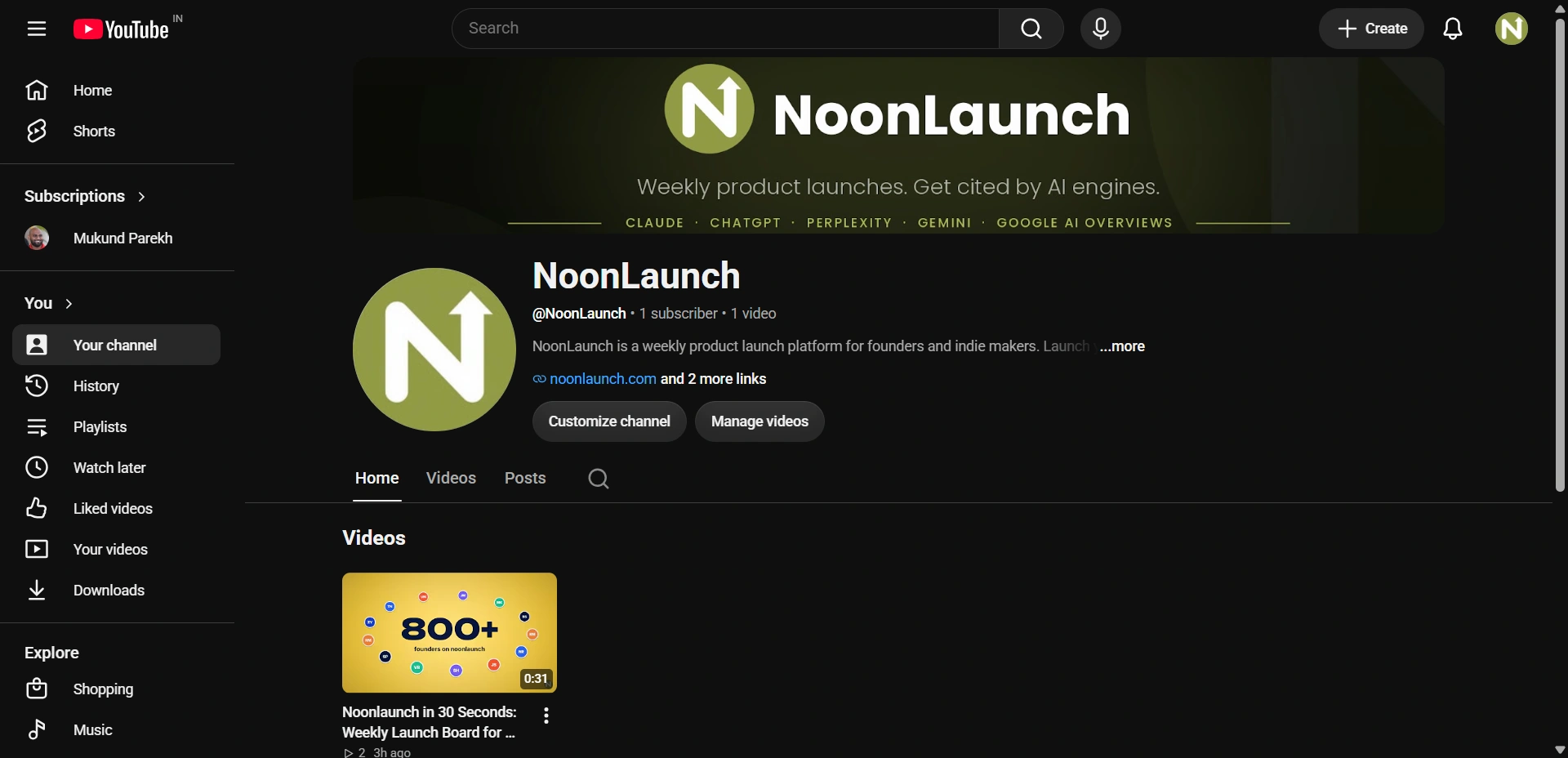
Create a branded channel using the same:
Product name
Logo
Username
Description
Website URL
You do not need to produce 100 videos.
Start with useful content such as:
Product introduction
Product demo
How-to tutorials
Feature walkthroughs
Customer use cases
Founder story
Comparison videos
Frequently asked questions
YouTube can also become another place where people discover your brand through Google.
Google's current Search Console documentation explicitly allows creators to analyze Google Search performance for YouTube content alongside other social platforms.
The important point is not simply getting a link from YouTube.
It is creating another searchable representation of your brand.
3. Create a LinkedIn company page
For B2B SaaS, LinkedIn should be one of the first profiles you create.
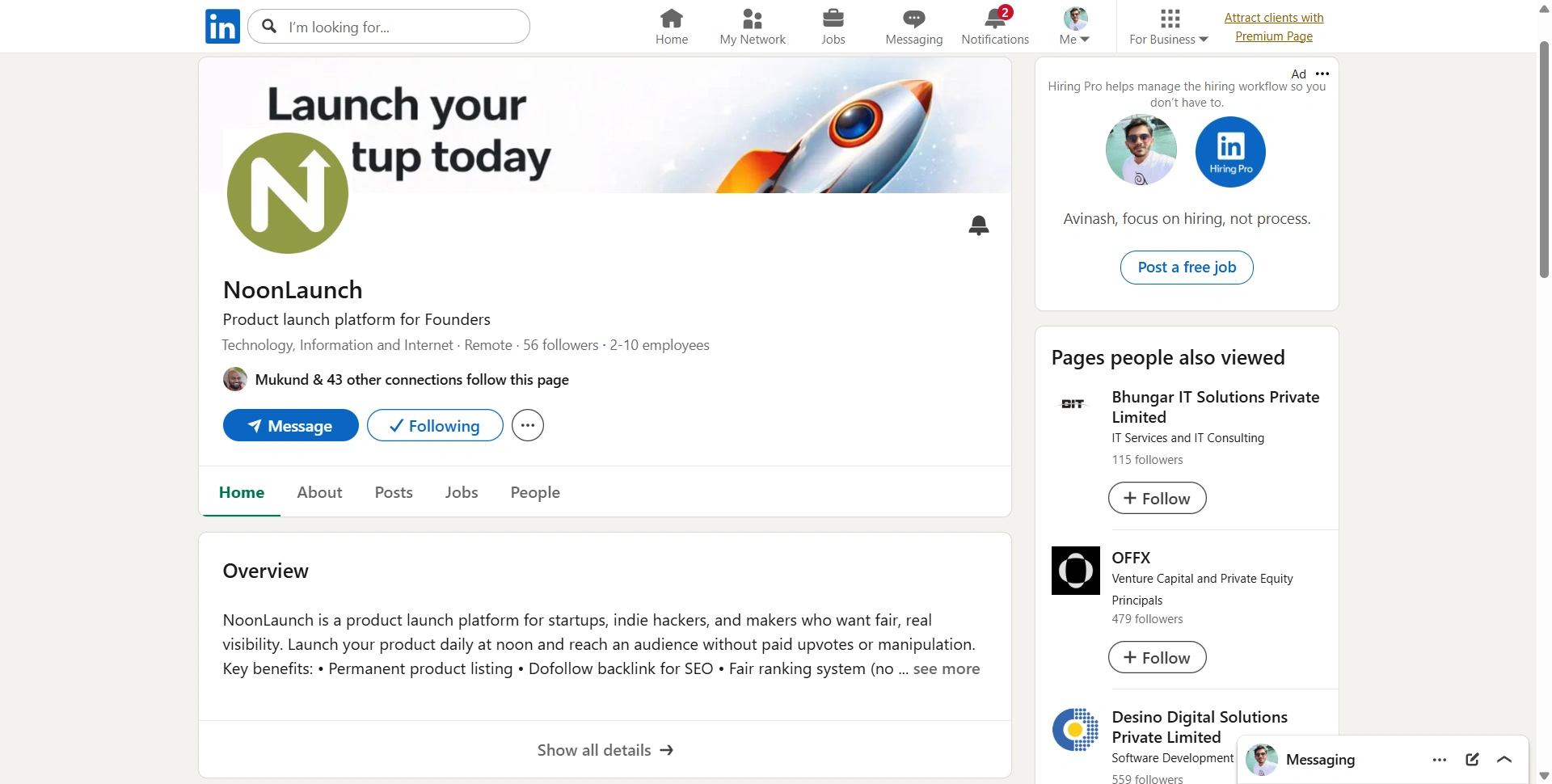
Set up your company page with:
Exact company name
Branded logo
Website
Short description
Detailed company description
Industry
Location, where appropriate
Founder/team information
Then connect the company's LinkedIn presence with the founders and employees.
This creates a much stronger identity than an empty company page.
Your founder profile should also clearly mention the company and link back to the official website.
The objective is consistency.
If someone searches:
Acme
they should encounter multiple legitimate references to the same company rather than an empty Google result with only the company's homepage.
4. Create an X account
Create an official X account using your brand name whenever possible.
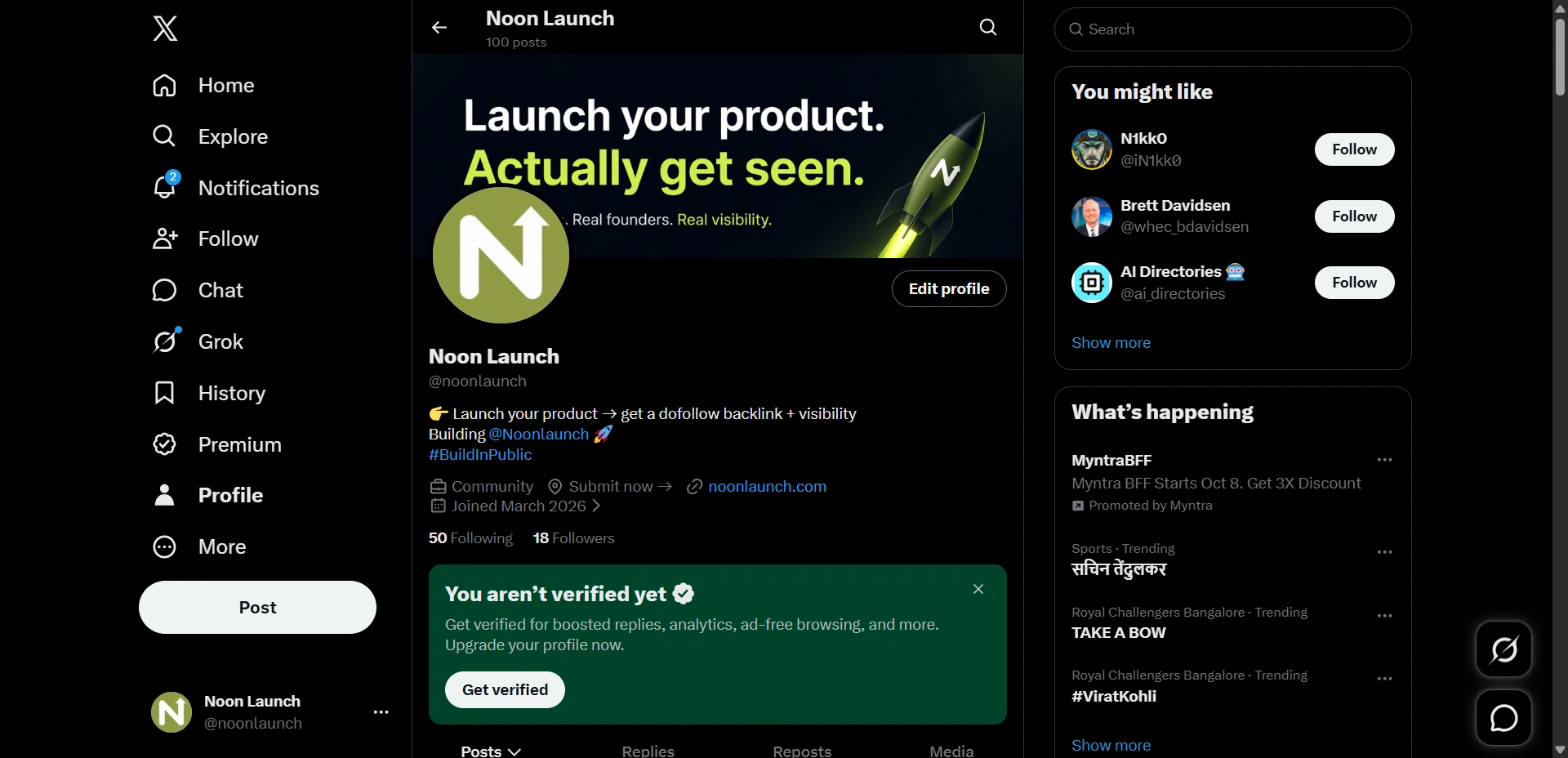
Keep your:
Handle
Display name
Logo
Bio
Website
Product description
consistent with the rest of your launch presence.
Then actually use the account.
Post:
Product updates
Build-in-public updates
Product screenshots
Customer feedback
Educational content
Launch announcements
Founder insights
Industry commentary
An abandoned profile is much less useful than an active one.
The goal is to establish an ongoing presence, not merely reserve a username.
5. Add Facebook and Instagram
Facebook and Instagram may be more important for some SaaS categories than others.
For consumer SaaS, creator tools, productivity products, AI tools, education products, and lifestyle applications, these platforms can be meaningful discovery channels.
Create branded accounts and keep the identity consistent.
You do not necessarily need to publish identical content everywhere.
Instead, adapt your content to each platform.
For example:
Instagram: visual product demos and short-form educational content.
Facebook: community-oriented posts and product updates.
YouTube: longer demonstrations and tutorials.
X: conversations, opinions, product updates and launch content.
This creates a connected ecosystem rather than simply duplicating posts.
6. Add TikTok if your market uses it
TikTok should not automatically be treated as mandatory.
If your target customers actively use TikTok, create the account.
This can be particularly useful for:
AI products
Consumer SaaS
Creator tools
Productivity products
Education products
Mobile apps
Short videos can demonstrate the product much faster than a traditional landing page.
And again, Google currently provides ways to analyze TikTok content performance in Search Console.
That makes it worth considering as part of your search and discovery strategy when your audience fits the platform.
7. Claim your Threads and Bluesky presence
Newer social networks can also be useful for protecting your brand identity.
Create your brand account on platforms such as:
Threads
Bluesky
The primary reason should not be:
"I need another backlink."
Instead, think:
"I want to control and establish my brand identity wherever relevant audiences may discover it."
Use the same brand name, handle, logo and website wherever possible.
This consistency makes it easier for users to recognize that different profiles belong to the same company.
8. Use Medium strategically
Medium can be useful for SaaS companies that have something genuinely useful to publish.
Do not create a Medium account just to publish thin articles containing links back to your homepage.
That is not a sustainable SEO strategy.
Instead, publish useful articles such as:
How we solved a technical problem
Lessons from building the product
Industry research
Product tutorials
Engineering decisions
Customer problems
Original data
Founder lessons
Medium says its content can be indexed in external search and that high-quality stories can receive distribution through its recommendation and publication systems.
Your Medium profile can also contain a link in the bio.
The important distinction is content distribution versus link manipulation.
Create something people would actually want to read.
9. Use Quora carefully
Quora can be useful when your SaaS solves problems people are already asking about.
Search for questions related to your product.
For example:
What is the best way to manage remote software projects?
Instead of replying:
"Use Acme. Check our website."
write a genuinely useful answer.
Explain the problem.
Give practical advice.
Mention your product only where it naturally fits.
This approach can generate:
Referral traffic
Brand discovery
Long-tail visibility
Useful third-party references
The principle is simple:
Answer the question first. Promote the product second.
10. Launch on Product Hunt
For a new SaaS product, Product Hunt can be an important launch platform.
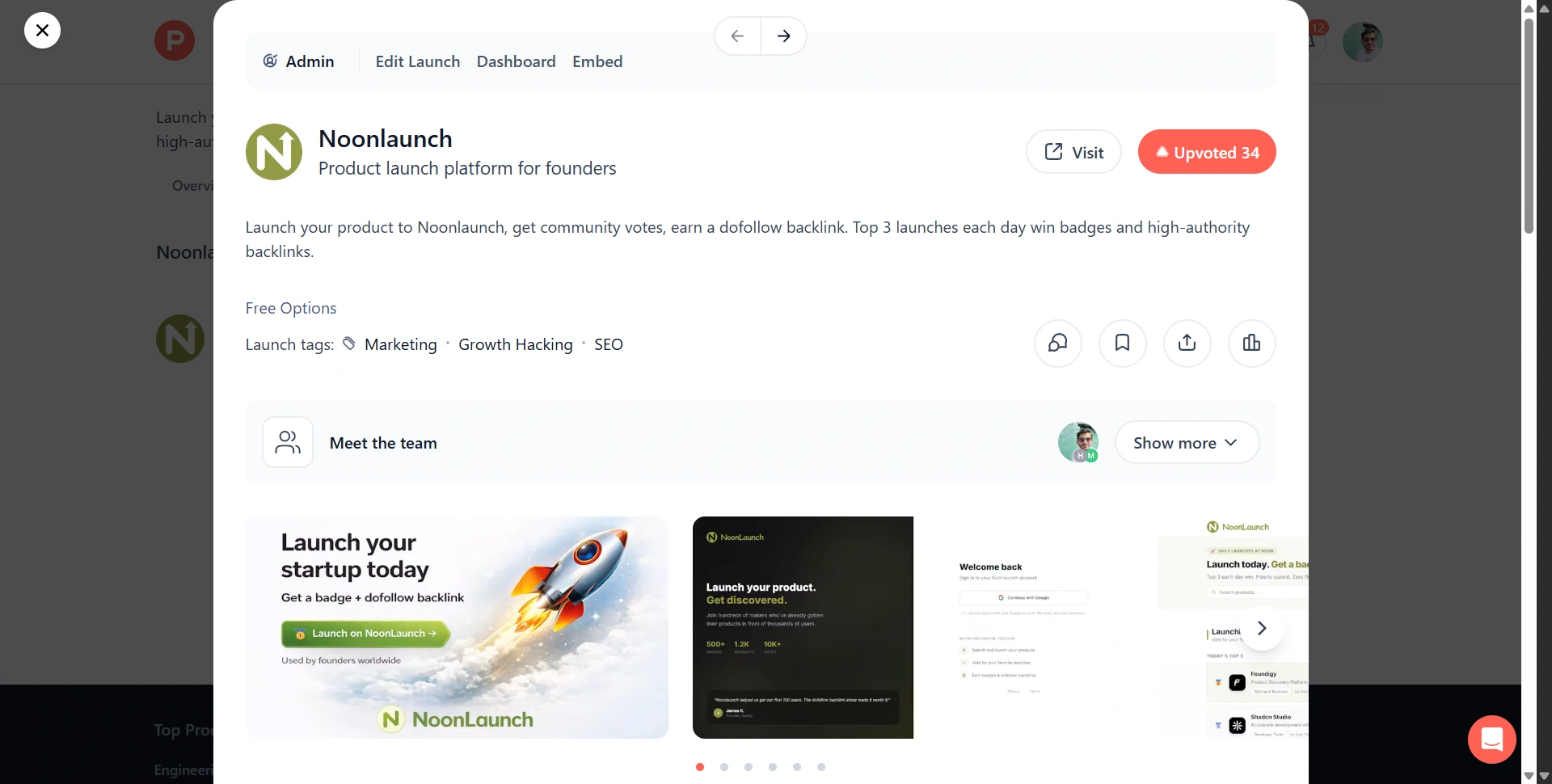
Product Hunt currently allows makers to submit their own products, and its launch process uses the product's direct URL as the primary link.
That makes Product Hunt different from simply creating a social profile.
You are putting your product into a dedicated discovery environment where people actively browse new products.
Before launch, prepare:
Product name
Tagline
Description
Product URL
Product screenshots
Product video
Maker profile
First comment
Launch assets
Social promotion
Customer/community outreach
Do not treat launch day as the first day people hear about you.
Product Hunt itself recommends getting familiar with the community ahead of launch, and newly created accounts have a waiting period before posting.
What about reaching the top 10?
If you want a strong Product Hunt launch, prepare for the launch rather than assuming that submitting the product will generate traction automatically.
However, don't build your entire strategy around a specific ranking position.
Product Hunt says its ranking system considers more than upvotes and encourages authentic engagement rather than coordinated voting campaigns.
Your objective should be genuine discovery, feedback, users, conversations and distribution.
A high ranking can be an outcome.
It should not be the entire strategy.
Don't obsess over dofollow versus nofollow
This is where many SaaS launch guides become misleading.
You will often see advice such as:
"Create 50 profiles and get 50 backlinks."
That is not a useful way to think about launch SEO.
Google changed how it handles nofollow, ugc, and sponsored links. These attributes are now treated as hints rather than absolute directives, although Google says links marked this way are generally treated differently from ordinary editorial links.
More importantly, Google's own SEO documentation says PageRank is only one part of Google Search and that there are many ranking signals beyond links.
So don't build your launch around:
"How many dofollow links can I get?"
Build it around:
"How many legitimate places can someone discover and verify my product?"
That is a much more durable strategy.
Build consistent brand information everywhere
This is arguably more important than the raw number of profiles.
Use the same:
Brand name
Logo
Username
Website
Product category
One-sentence description
Founder/company information
across your important profiles.
Imagine someone searches:
Acme AI
They could find:
Official website
LinkedIn company page
YouTube channel
X profile
Product Hunt page
Medium profile
Instagram
Founder profile
SaaS directory listings
Each page provides another piece of information about the same entity.
Google has also introduced ProfilePage structured-data support specifically for pages representing people or organizations and uses information such as names and social handles to better identify creators.
That does not mean:
"Create ten accounts and Google will automatically rank your website."
It means that a consistent, legitimate digital presence gives users and search systems more information to work with.
Think about launch platforms as a system
Your launch should not look like this:
Website → Product Hunt → done
A better system looks like:
Website
↓
Social profiles
↓
Founder profiles
↓
Content platforms
↓
Communities
↓
Product Hunt
↓
SaaS directories
↓
Reviews and third-party mentions
↓
Ongoing content
Each platform performs a different job.
Some create awareness.
Some create referral traffic.
Some create content.
Some create community.
Some create third-party references.
Some create product discovery.
Some may provide links.
The combination is what matters.
The SaaS launch checklist
Before announcing your product, work through this checklist.
Foundation
[ ] Website is live
[ ] Homepage clearly explains the product
[ ] Pricing page exists
[ ] About page exists
[ ] Contact information exists
[ ] Google Search Console is configured
[ ] Sitemap is submitted
[ ] Analytics is configured
Brand presence
[ ] YouTube channel
[ ] LinkedIn company page
[ ] X account
[ ] Facebook page
[ ] Instagram account
[ ] TikTok account, where relevant
[ ] Threads account
[ ] Bluesky account
Content platforms
[ ] Medium profile
[ ] Quora profile
[ ] Founder profiles
[ ] Relevant community accounts
Product discovery
[ ] Product Hunt
[ ] SaaS directories
[ ] Industry directories
[ ] Relevant review platforms
[ ] Relevant founder communities
Launch content
[ ] Product demo
[ ] Product screenshots
[ ] Launch video
[ ] Founder announcement
[ ] Product Hunt description
[ ] Social launch posts
[ ] Customer/user testimonials, if available
What should you launch first?
If you're starting from zero, don't try to build 50 profiles in one afternoon and then abandon them.
Start with the core identity.
Phase 1: Establish the entity
Create:
Website + LinkedIn + X + YouTube
Make sure all four have the same brand information.
Phase 2: Expand discovery
Add:
Instagram + Facebook + Threads + Bluesky + TikTok
Only where those platforms make sense for your audience.
Phase 3: Build authority and content
Add:
Medium + Quora + relevant communities + founder profiles
Then publish genuinely useful content.
Phase 4: Launch the product
Launch on:
Product Hunt + relevant SaaS directories + niche communities
Phase 5: Keep publishing
This is where many startups stop.
Don't.
Continue publishing:
Product updates
Tutorials
Comparisons
Customer stories
Founder content
Videos
Research
Case studies
Industry insights
A launch creates the initial footprint.
Ongoing publishing makes that footprint useful.
The real answer: where should you launch a new SaaS product?
If your SaaS is brand new, don't think of the answer as one website.
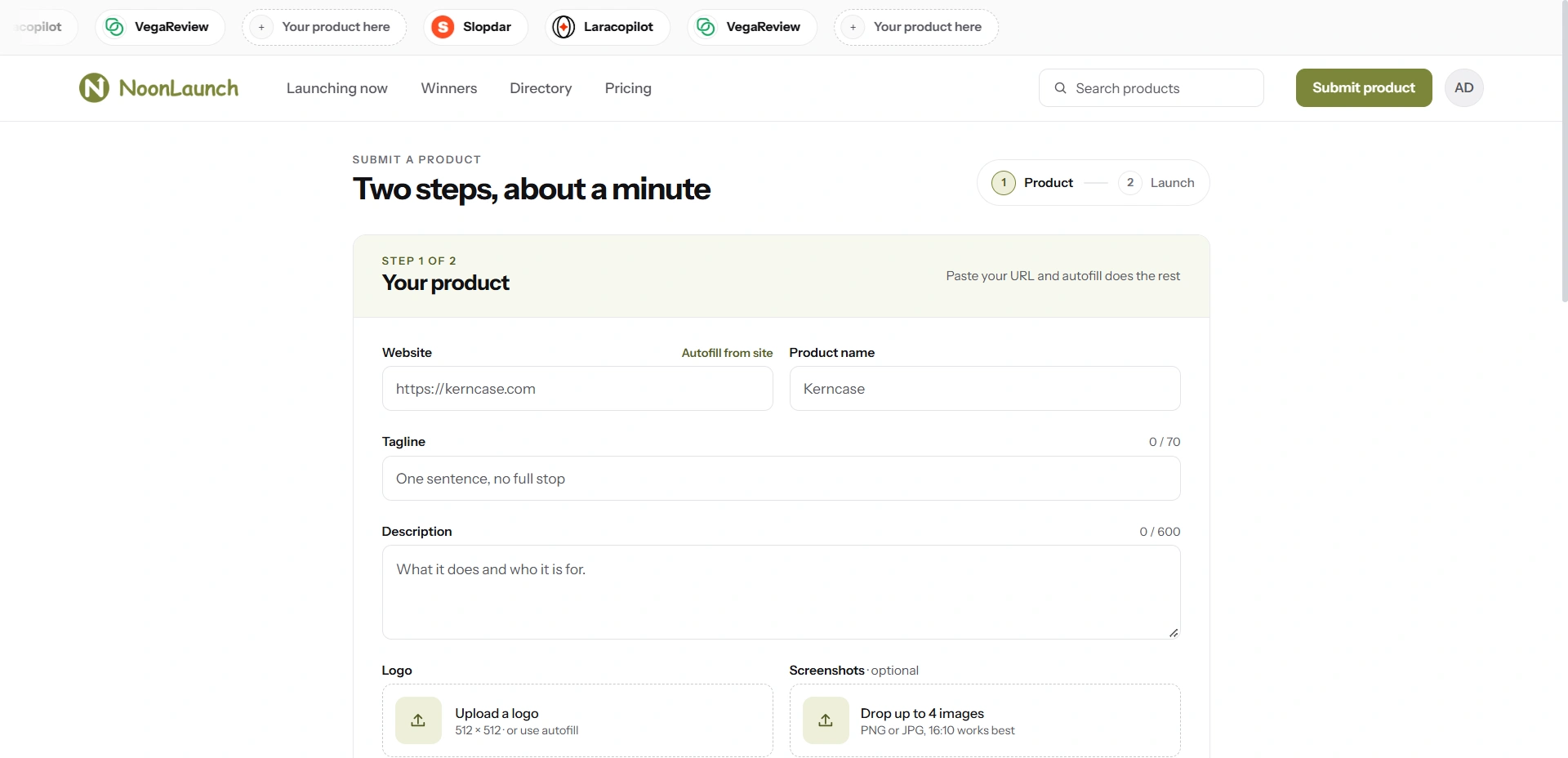
Think of it as a launch ecosystem.
Start with your own website as the canonical source. Then establish consistent profiles on major social and professional platforms. Add content platforms such as Medium and Quora where you can contribute genuinely useful information. Launch on Product Hunt and relevant SaaS directories. Then continue building third-party references, useful content and community participation.
The objective is not to manufacture hundreds of backlinks.
It is to make your product easy to discover, easy to understand, and easy to verify.
A strong SaaS launch therefore looks more like:
Website → Social presence → Content → Communities → Product Hunt → Directories → Third-party mentions → Ongoing content
And there is one final SEO rule worth remembering:
Don't launch everywhere just because you can. Launch where your customers, communities and discovery systems can actually find you.
That produces a much stronger digital footprint than creating dozens of empty profiles simply to collect links. Launch today on NoonLaunch.