 By
Avinash Vagh
By
Avinash Vagh
Where to Launch Software Products to Get Cited in AI Search Engines
You built the product.
Now comes the harder part.
Getting people to find it.
Most founders launch on one platform, share the link on X, get some upvotes, and move on.
I don't think that's enough anymore.
Because people are not only searching on Google.
They're asking ChatGPT.
They're asking Perplexity.
They're using Google AI Overviews and AI Mode.
They're asking:
"What are the best tools for this?"
"What is a good alternative to X?"
"Which SaaS should I use for this?"
And when AI answers these questions, it needs information to retrieve and understand.
That means your product needs to exist across the web.
Not just on your own website.
Google itself says its AI search experiences are grounded in its Search systems and that the same fundamental SEO practices continue to matter for AI features. Google also says there are no special "AI SEO" requirements that guarantee inclusion.
So the question becomes:
Where should you launch your software product?
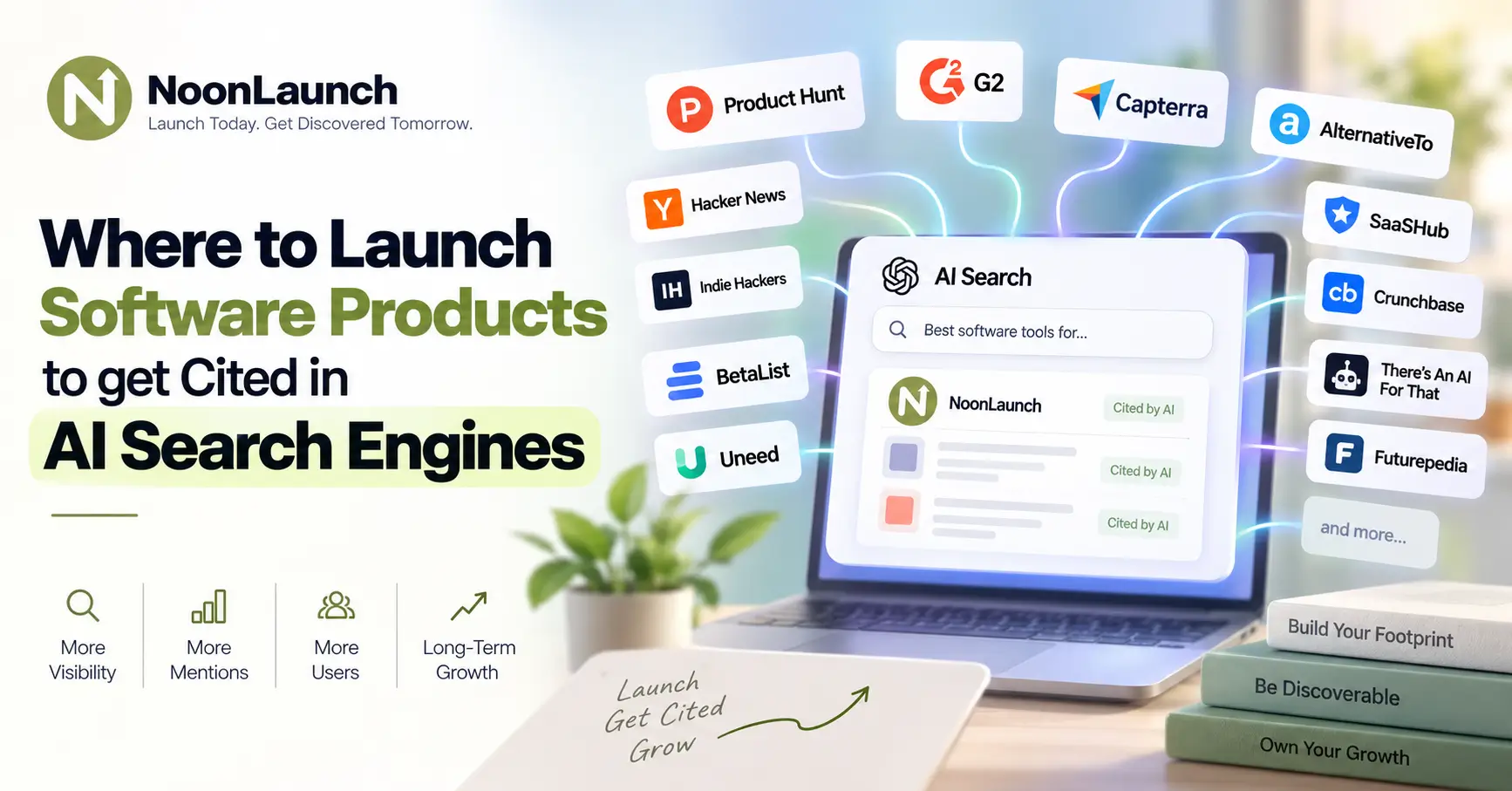
Here are 16 places I'd look at.
1. Product Hunt
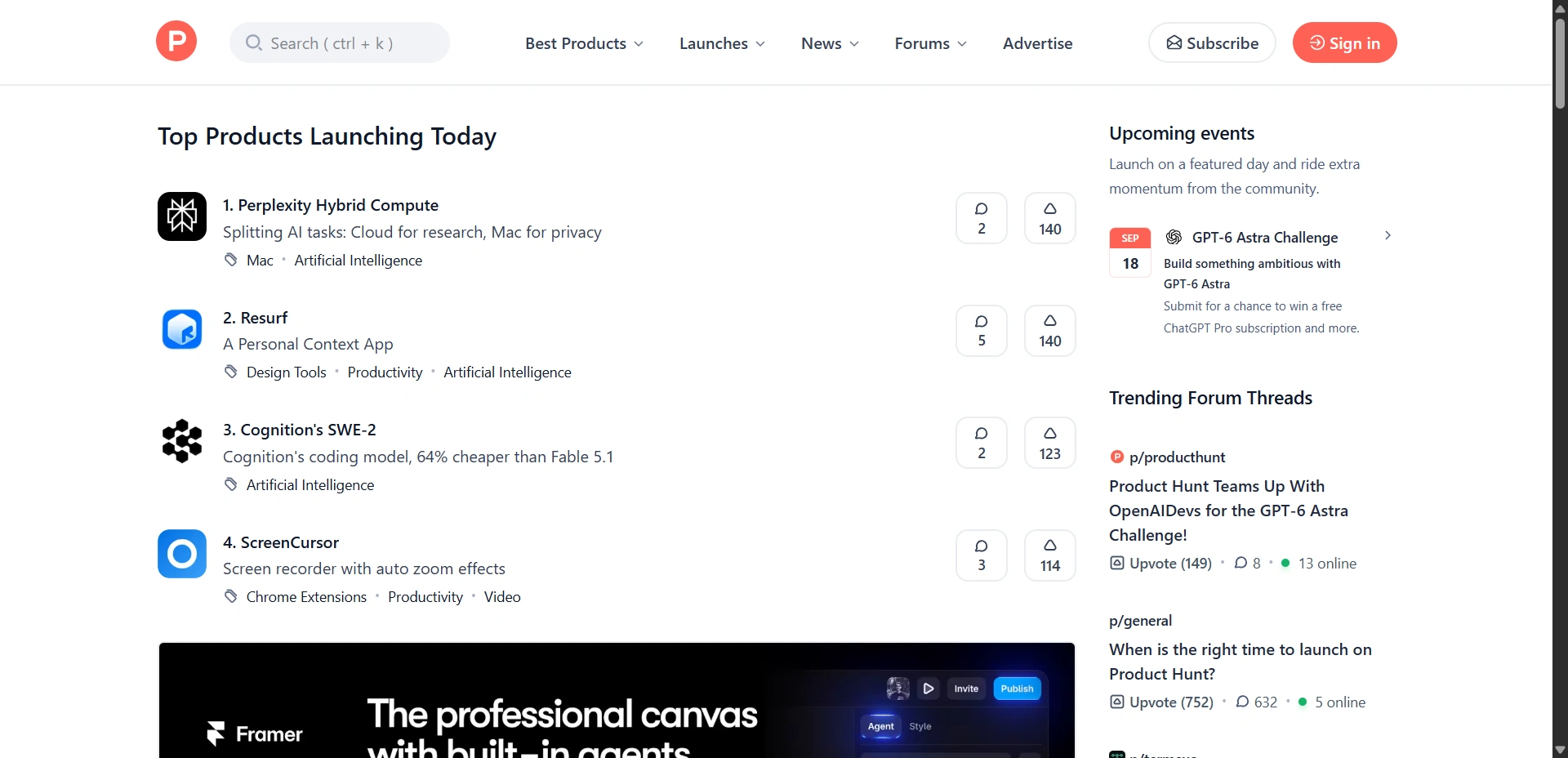
Product Hunt is still one of the obvious places to launch a new software product.
You get a public product page, launch activity, comments, votes and potential exposure to a large technology audience.
But there is another reason I like it.
Your product gets a public, structured web presence associated with your product name, description, category and website.
That matters when you're trying to build recognition around a new brand.
Product Hunt currently recommends launching products that are actually available for people to use, and its featuring guidelines focus on usefulness, novelty, craft and creativity.
Don't think:
"I need to win Product Hunt."
Think:
"I need my product to exist there."
2. AlternativeTo
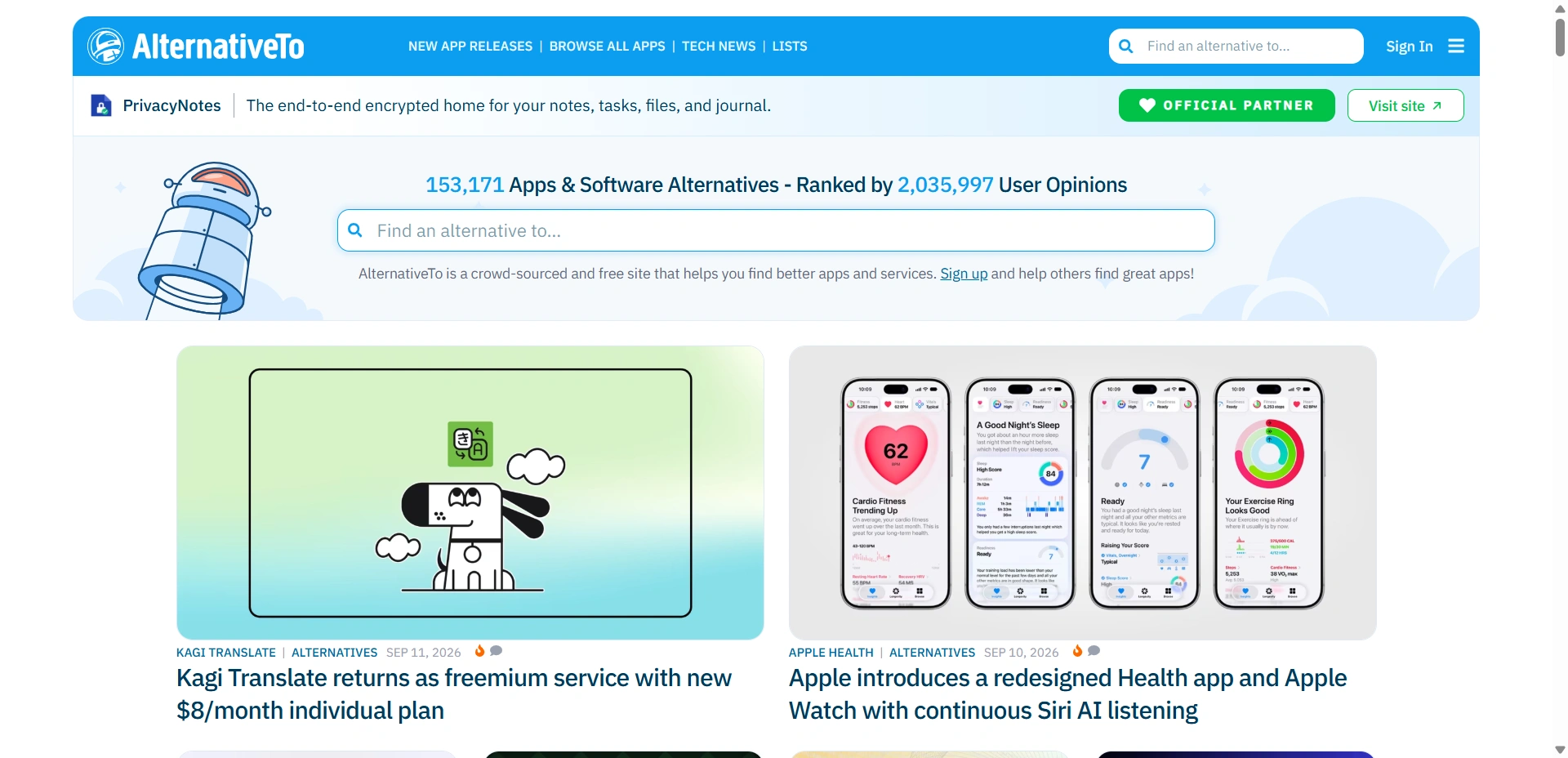
This one is particularly interesting for SEO and AI discovery.
AlternativeTo is built around one powerful search intent:
alternatives.
If somebody searches:
"Alternative to [competitor]"
or asks an AI:
"What are some alternatives to [competitor]?"
A platform dedicated to software alternatives becomes highly relevant.
Your product can be associated with:
Your category
Your competitors
Alternative searches
Similar products
Features
User recommendations
This creates useful connections around the entity you're trying to build.
3. G2
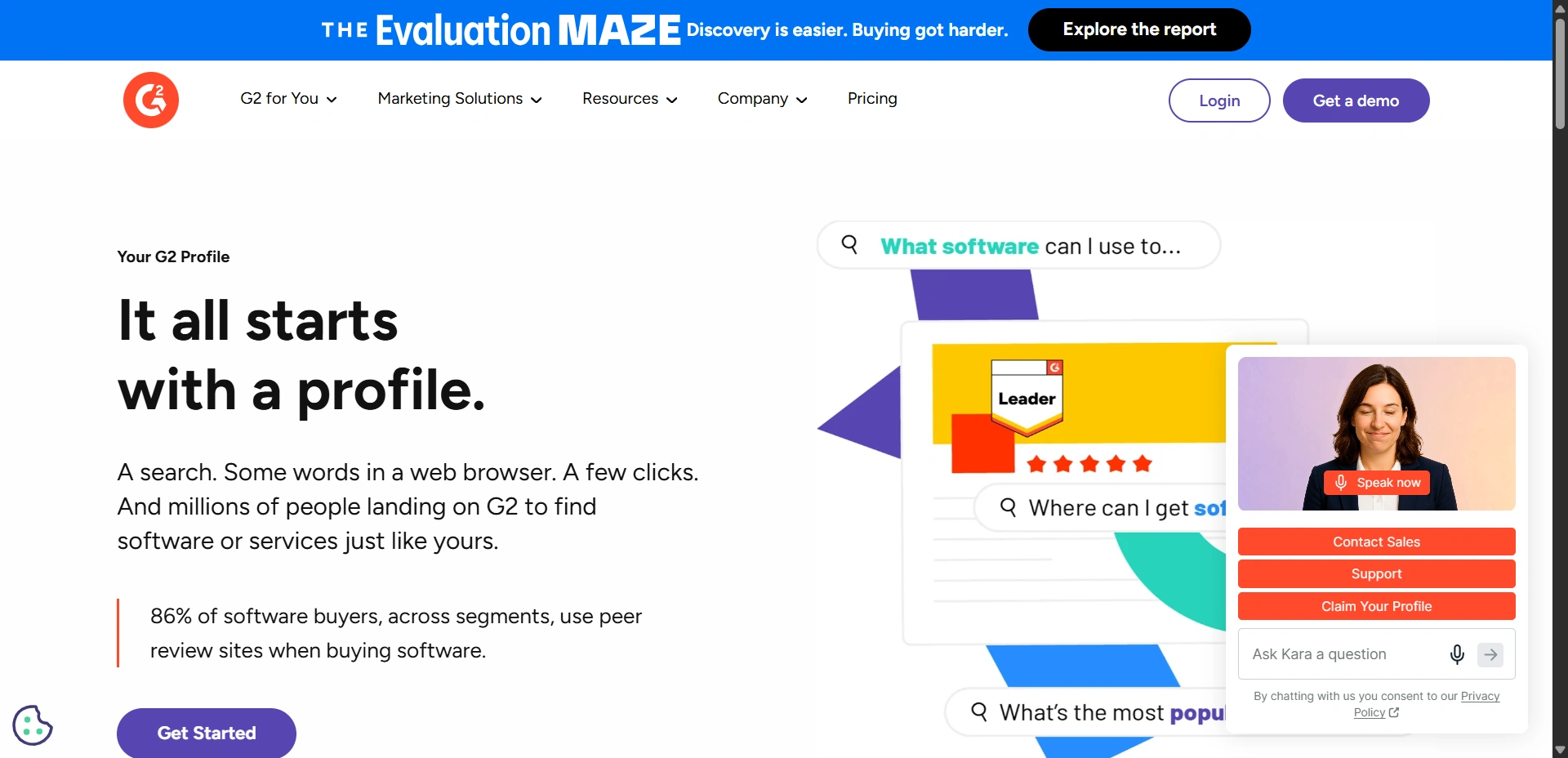
G2 is especially useful for B2B SaaS.
It's not simply a launch platform.
It's a software review and comparison ecosystem.
A G2 product profile can connect your brand with categories, competitors, features and customer reviews.
G2 itself describes its product profiles as a way for software companies to gather reviews and build their brand while reaching software buyers.
And this is where the bigger strategy starts becoming clear.
You don't just want people to know your product exists.
You want the web to contain information about:
what your product is + who it is for + what category it belongs to + what it competes with.
4. Capterra
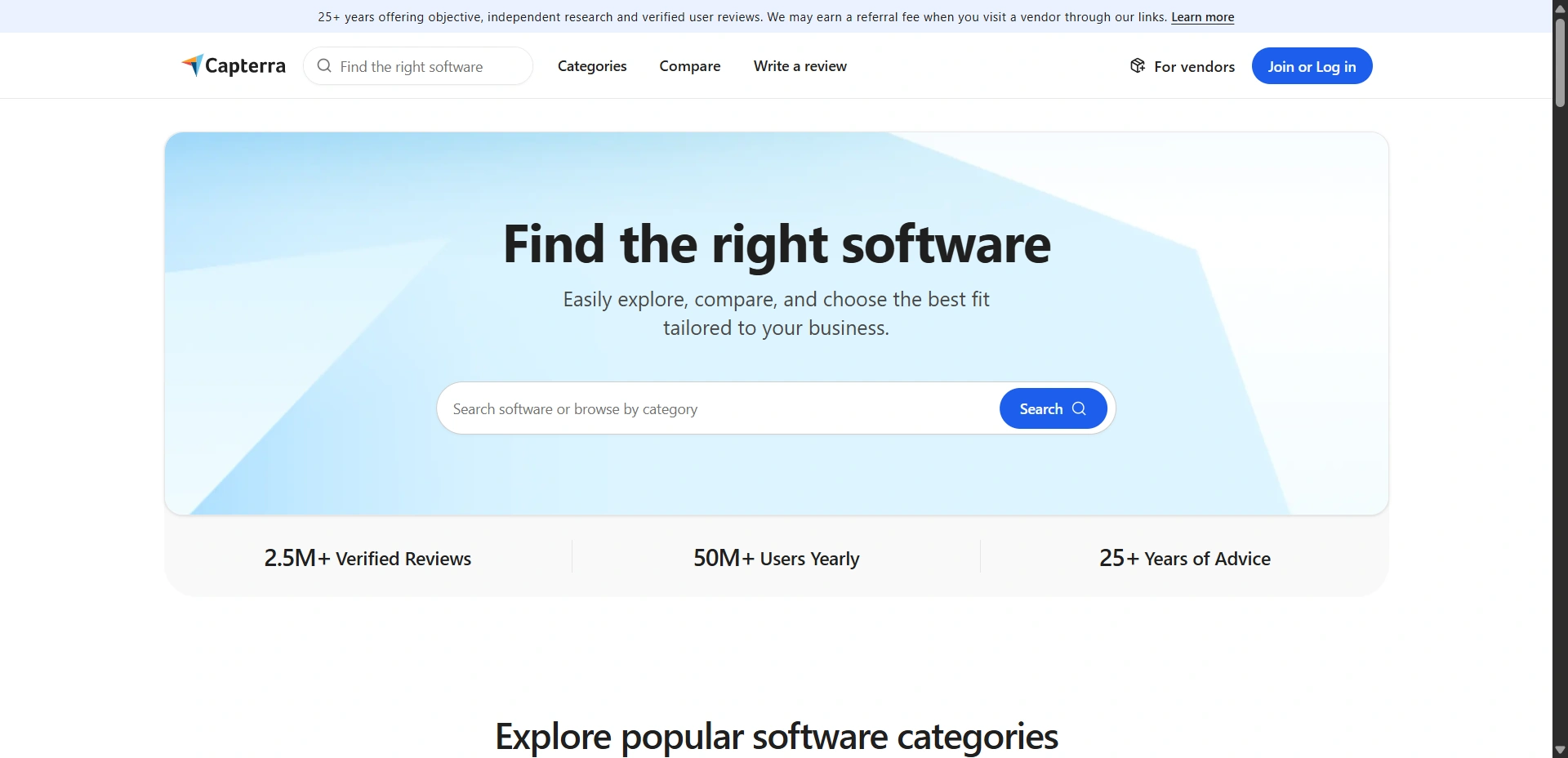
Capterra is another important software discovery and comparison site.
It has software categories, provider profiles and reviews.
The interesting part is that Capterra says it lists providers across its website, while sponsored profiles provide additional opportunities for traffic and sales.
For a SaaS company, getting listed in the right category can help create another public reference point for the product.
That can be useful for both humans and machines trying to understand your brand.
5. SaaSHub
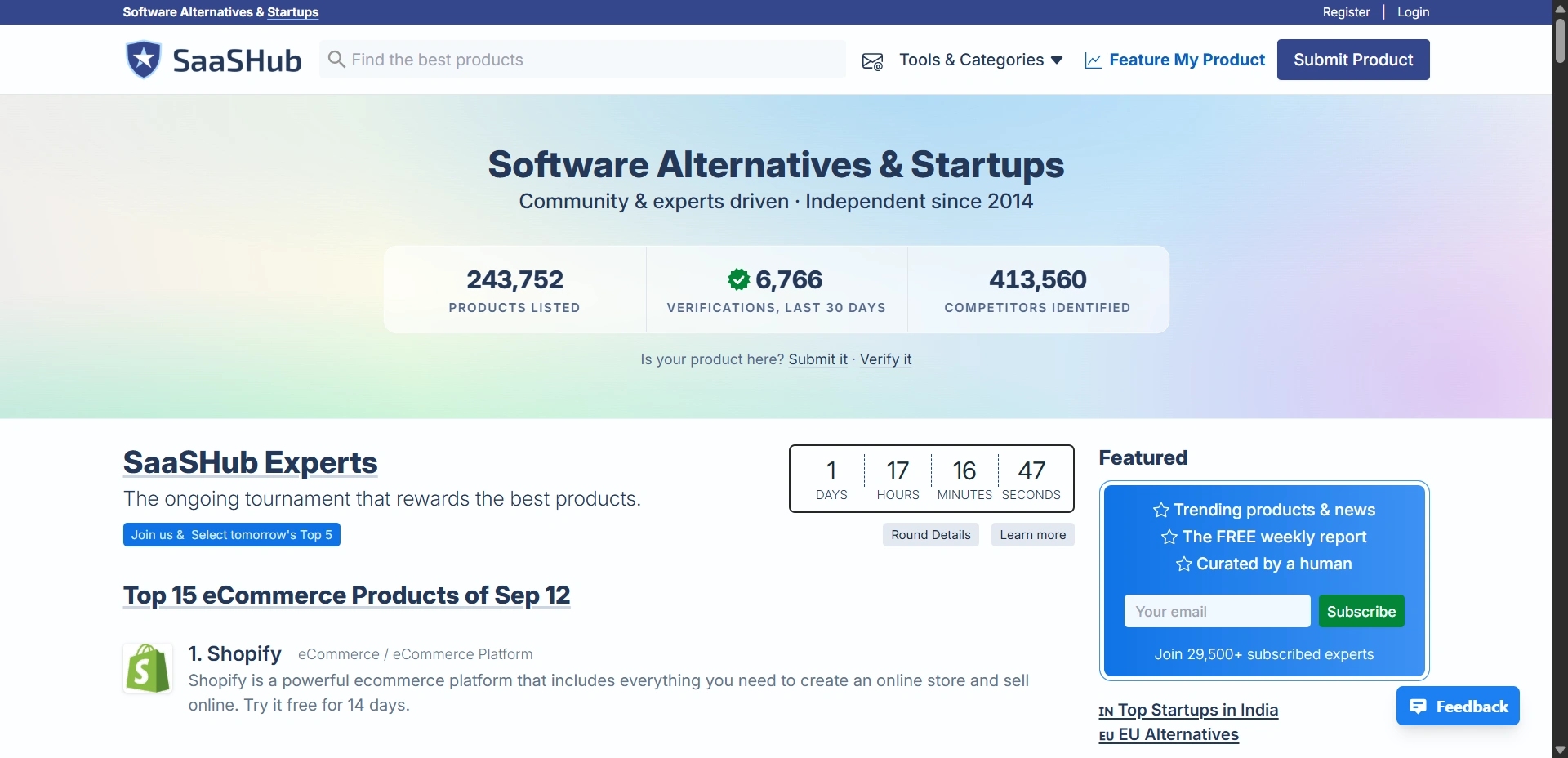
SaaSHub is another platform I'd include in a software launch distribution strategy.
It supports SaaS, software products, apps and services and organizes them around categories and competitors. Its submission process specifically asks founders to add relevant categories and competitors.
That is exactly the type of information you want distributed across the web.
Your product shouldn't only say:
"We are a SaaS product."
It should be discoverable as:
"Product X is a SaaS product for category Y and an alternative to products A and B."
That's much stronger context.
6. There's An AI For That
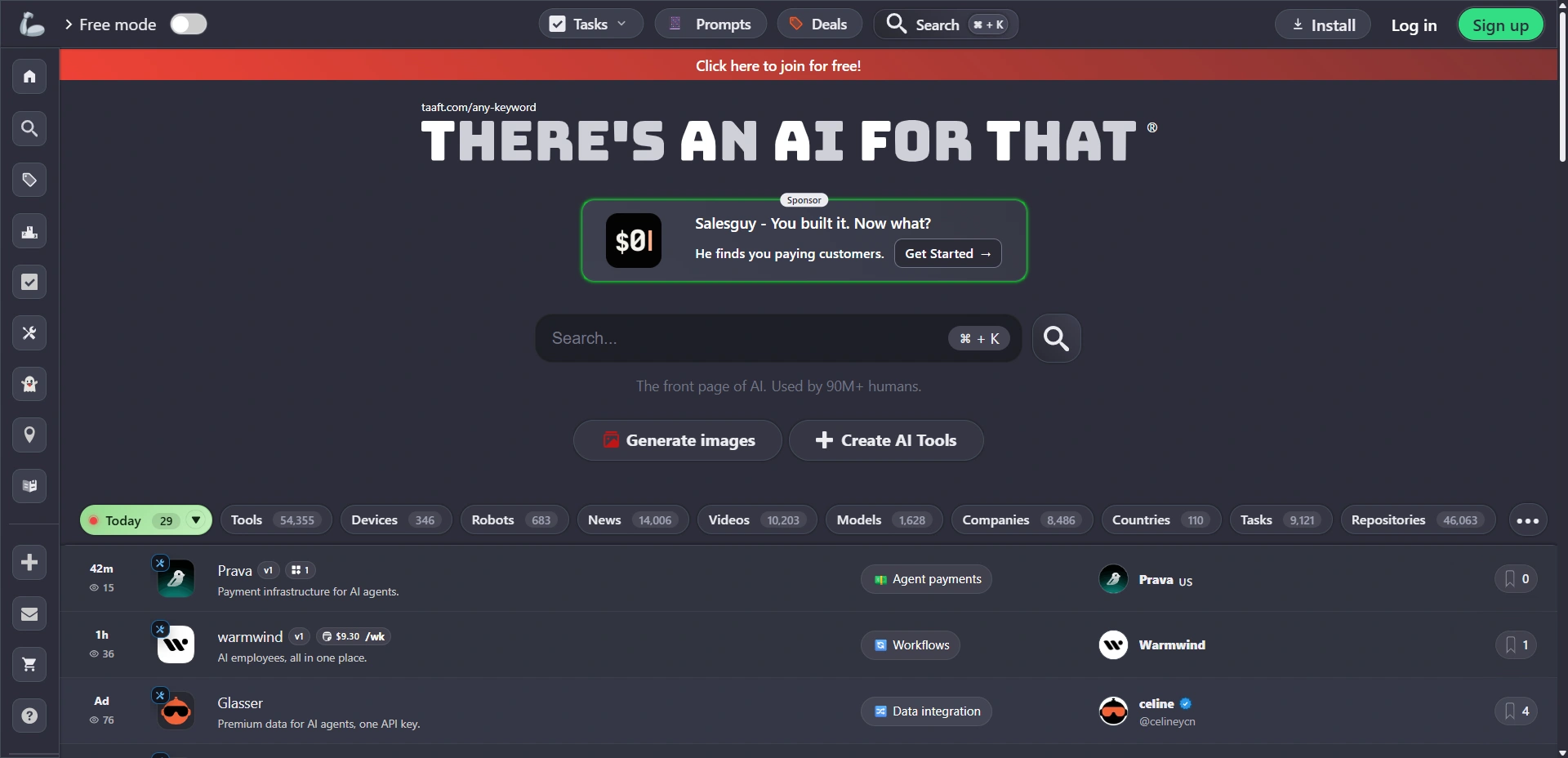
If you're building an AI product, this becomes much more relevant.
There's An AI For That is specifically focused on AI tools and use cases.
Someone can search based on a task rather than a company name.
For example:
"AI tools for sales research"
"AI tool for creating presentations"
"AI tools for customer support"
That's exactly how modern discovery is moving.
The product needs to be present where these category and use-case questions are being answered.
7. Futurepedia
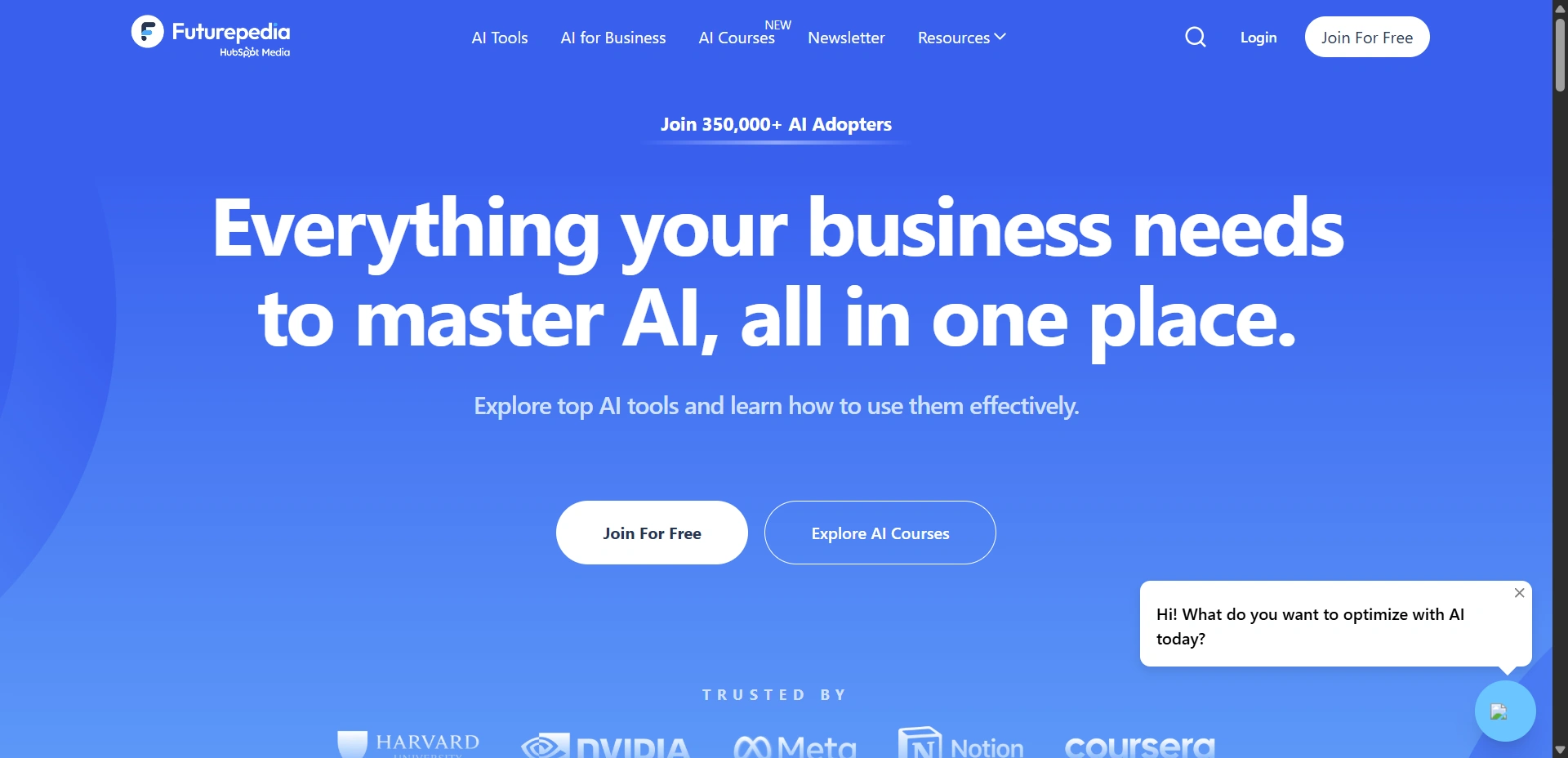
Another strong option for AI products.
Futurepedia maintains a large directory of AI tools across categories and provides a submission mechanism for new tools.
Again, the objective isn't:
"Get one backlink."
The objective is:
"Create another reliable place where my product, category and use case are clearly described."
That distinction is important.
8. Hacker News
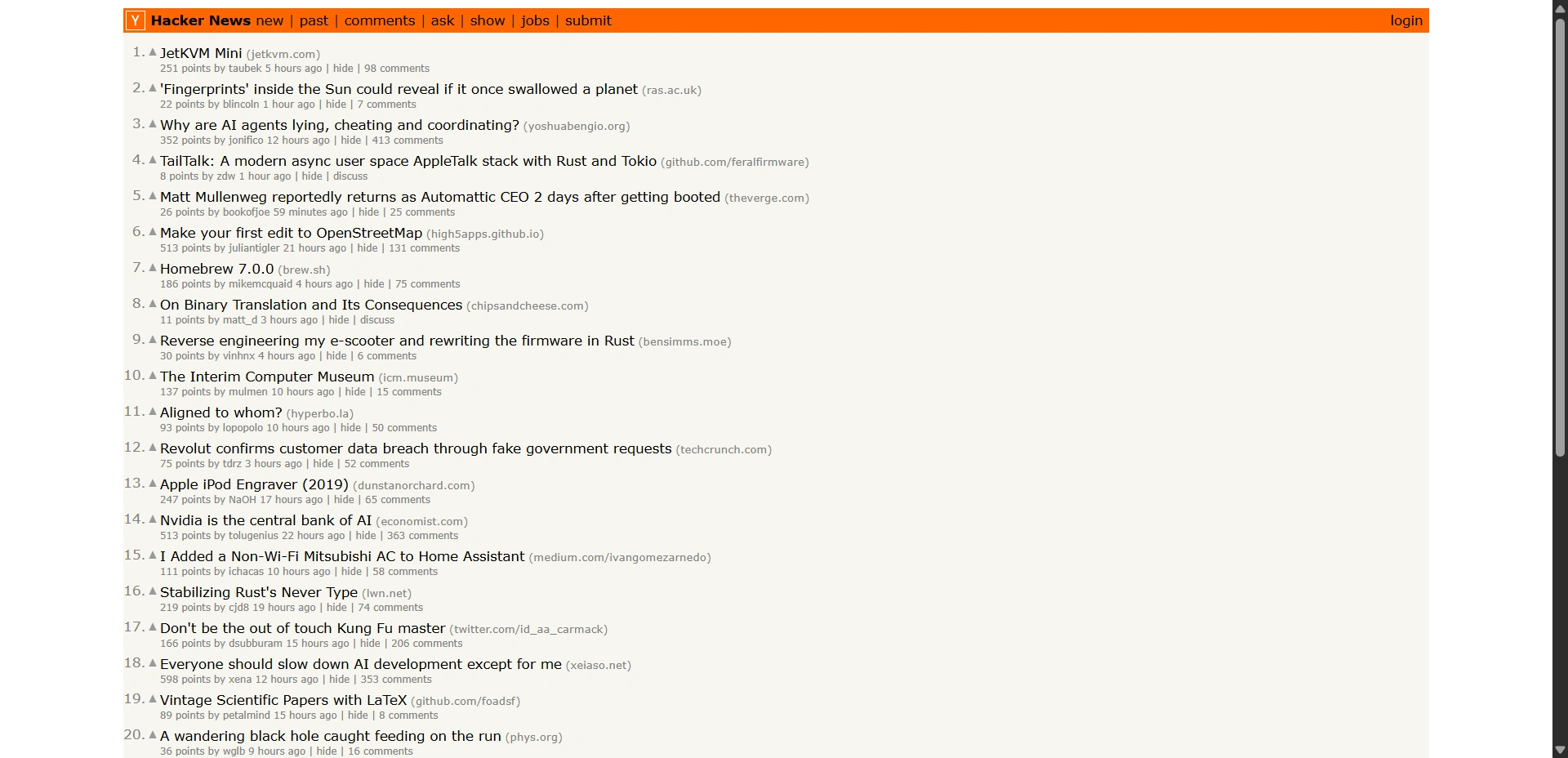
If you're building something technical, especially developer infrastructure, open-source software, APIs or developer tools, try Show HN.
This is different from a directory.
You're putting the product in front of a technical community.
If people discuss it, reference it, write about it or use it, you can potentially create additional independent mentions around your brand.
That's much more valuable than artificially creating dozens of identical listings.
9. Indie Hackers
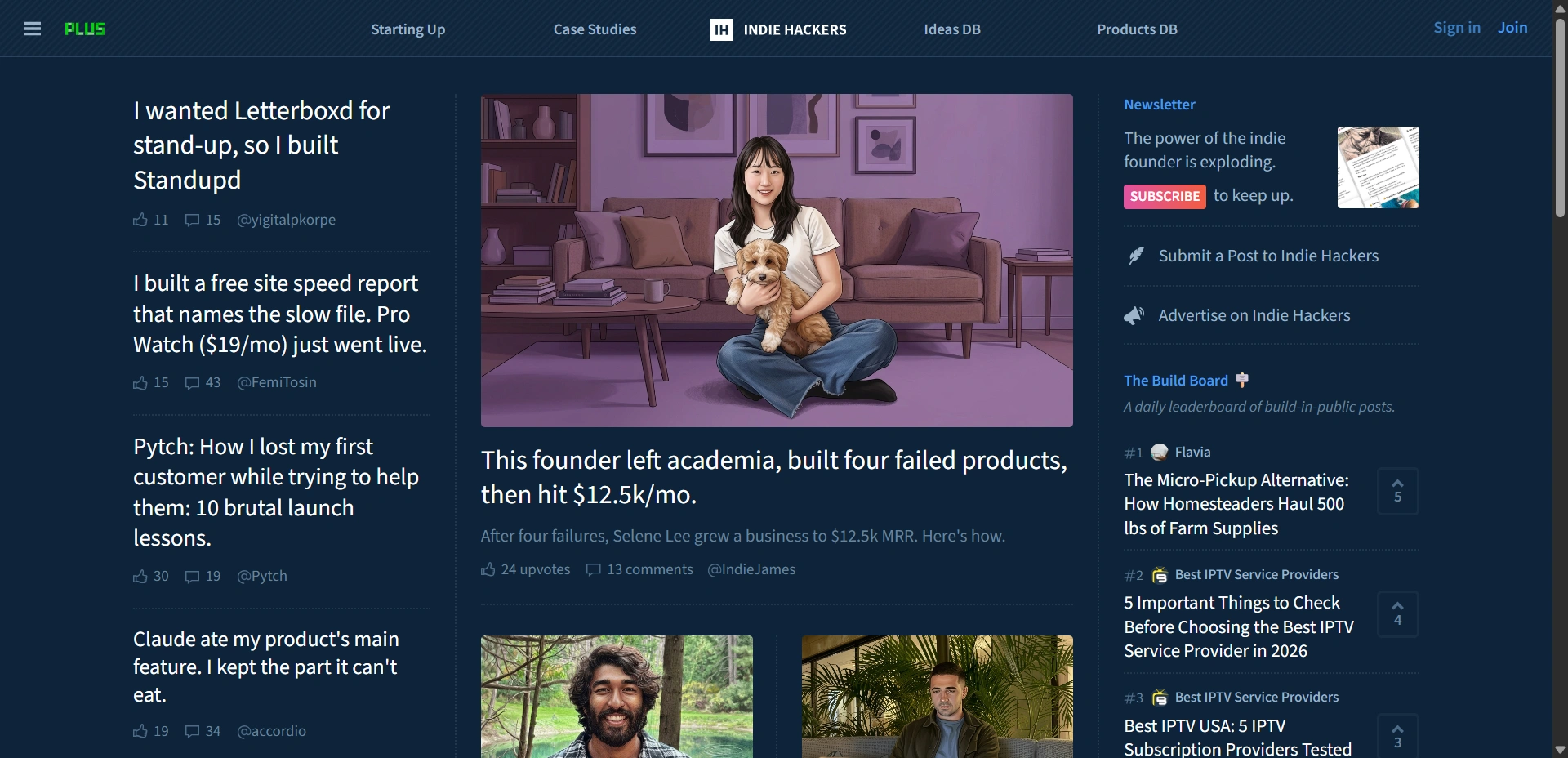
Indie Hackers is useful when the story behind the product matters.
You can create a product presence and participate in discussions around building, launching and growing software.
The platform currently maintains a large products database covering different software categories and business types.
But don't just drop:
"Hey, check out my SaaS."
Tell the story.
Why you built it.
What problem you found.
What changed after users started using it.
That's the kind of content people actually discuss.
10. Peerlist Launchpad
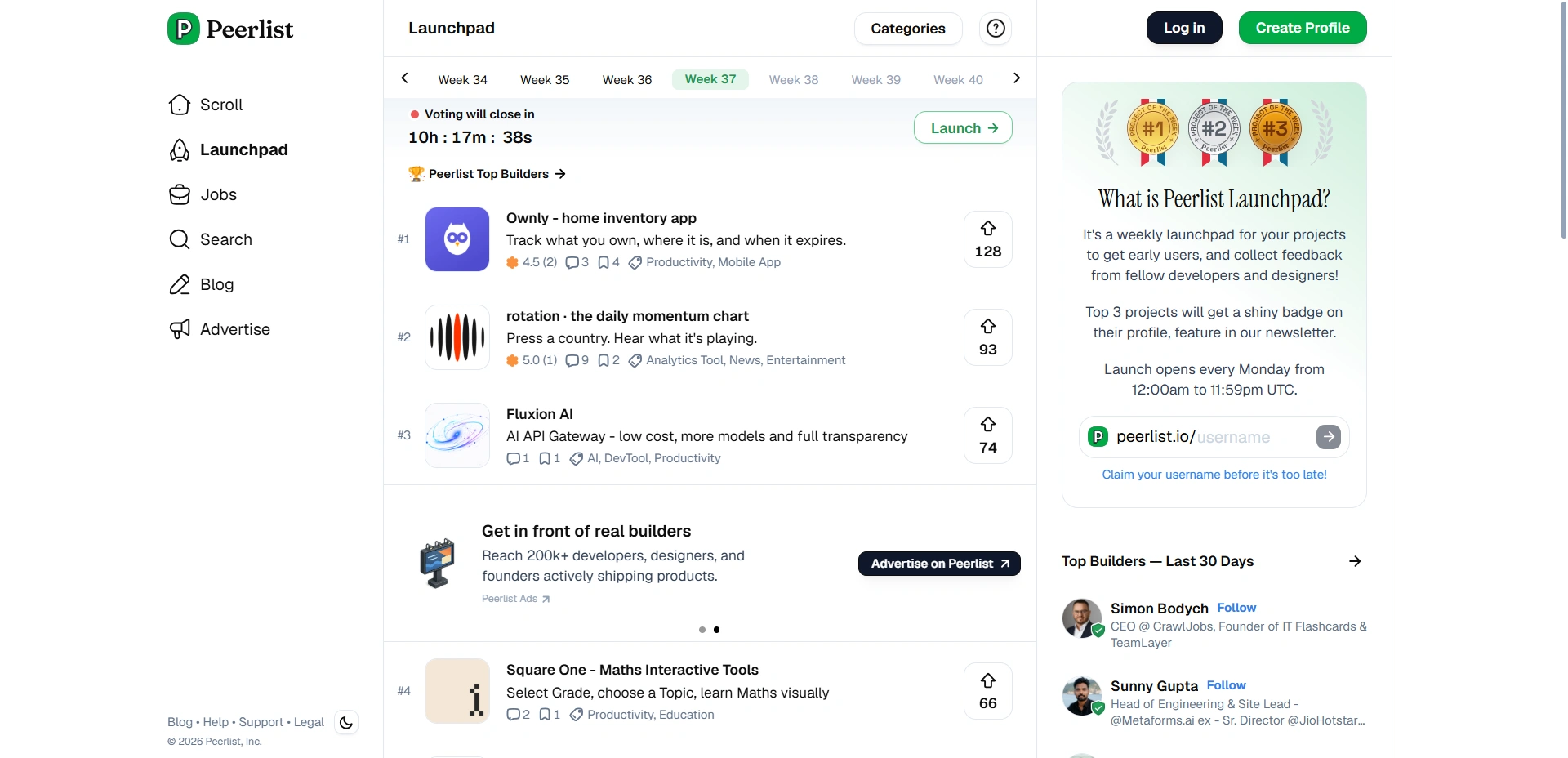
Peerlist is particularly interesting for builders, developers and professionals.
Its Launchpad gives products/projects a public launch presence.
But there is one important thing:
Don't treat it like a place to spam upvotes.
Peerlist help center explicitly prohibits spammy behavior such as unsolicited messages asking members to upvote launches.
Build your profile.
Build in public.
Launch something useful.
Let the product speak.
11. BetaList
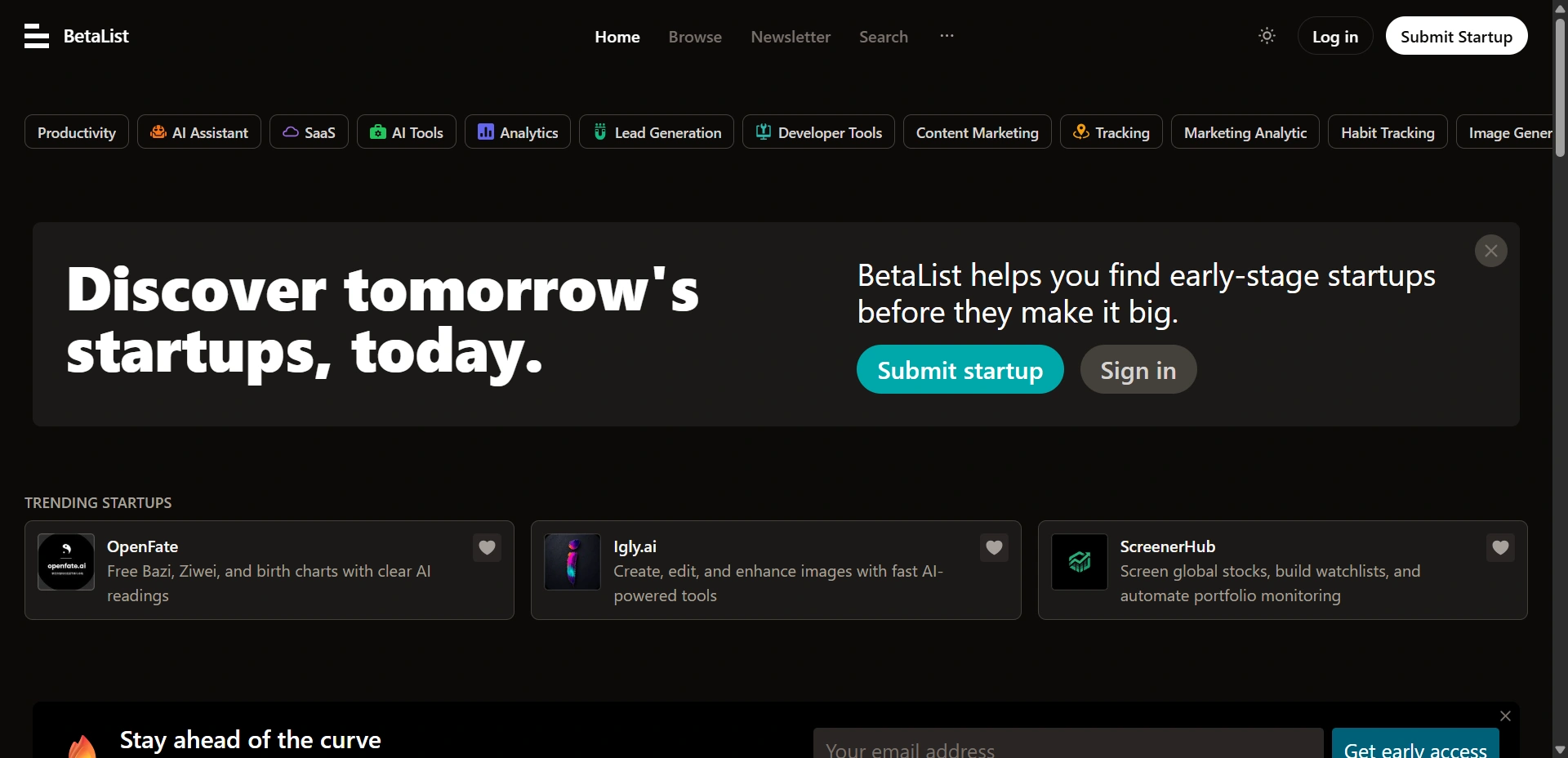
BetaList is useful particularly for early-stage startups.
It can put your product in front of people interested in discovering new startups.
The important distinction is that BetaList is more suitable for startup discovery than a mature software review platform.
It also requires a working website on your own domain and says that submitting does not guarantee featuring.
So use it when you're actually at the right stage.
12. Uneed
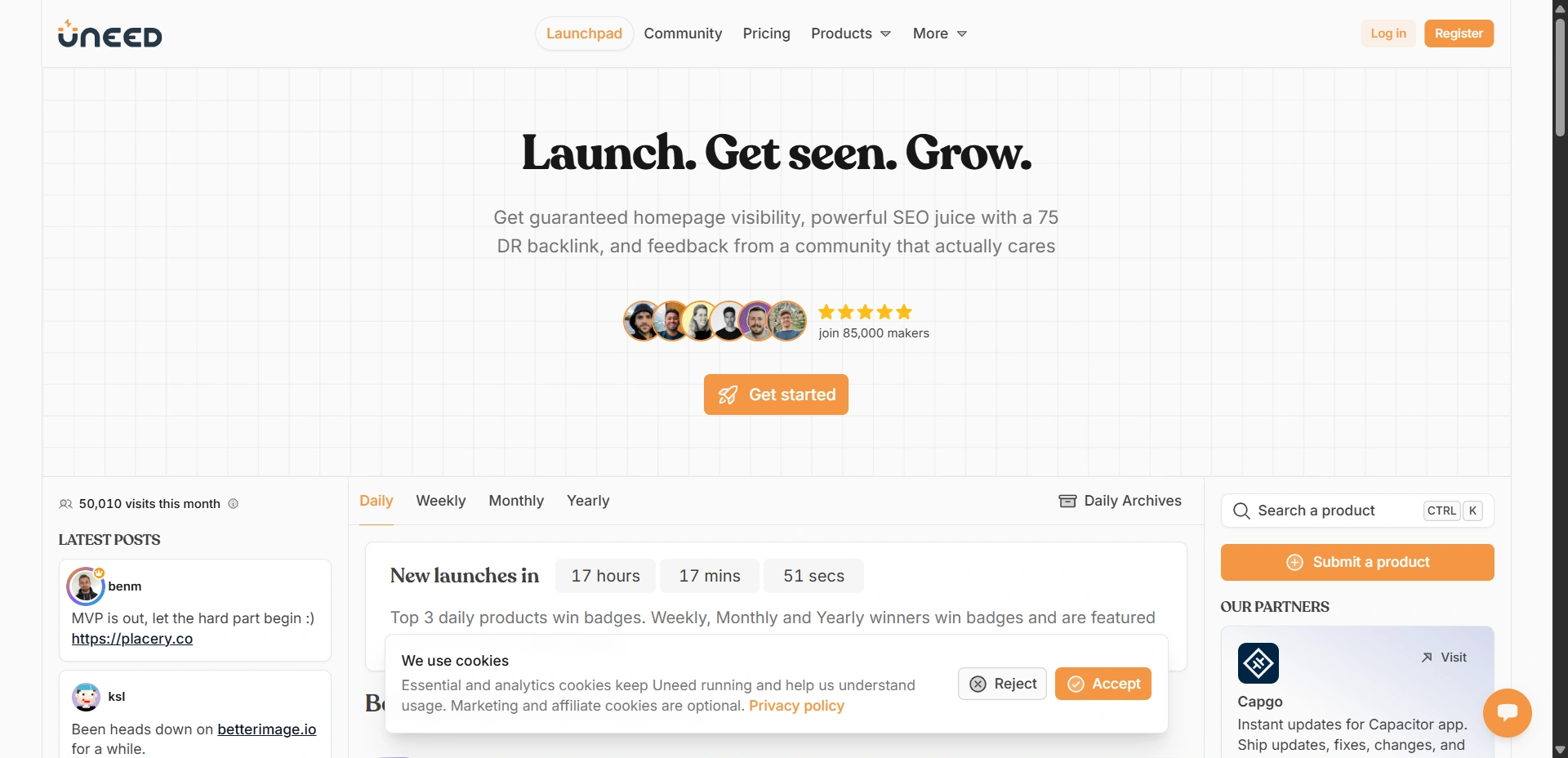
Uneed is another product launch and discovery platform for indie developers and startups.
The advantage of platforms like this is simple:
You don't have to depend entirely on one launch website.
Every additional relevant platform gives your product another opportunity to be discovered, discussed and indexed.
And over time, these individual pages can become part of your product's broader web footprint.
13. Fazier
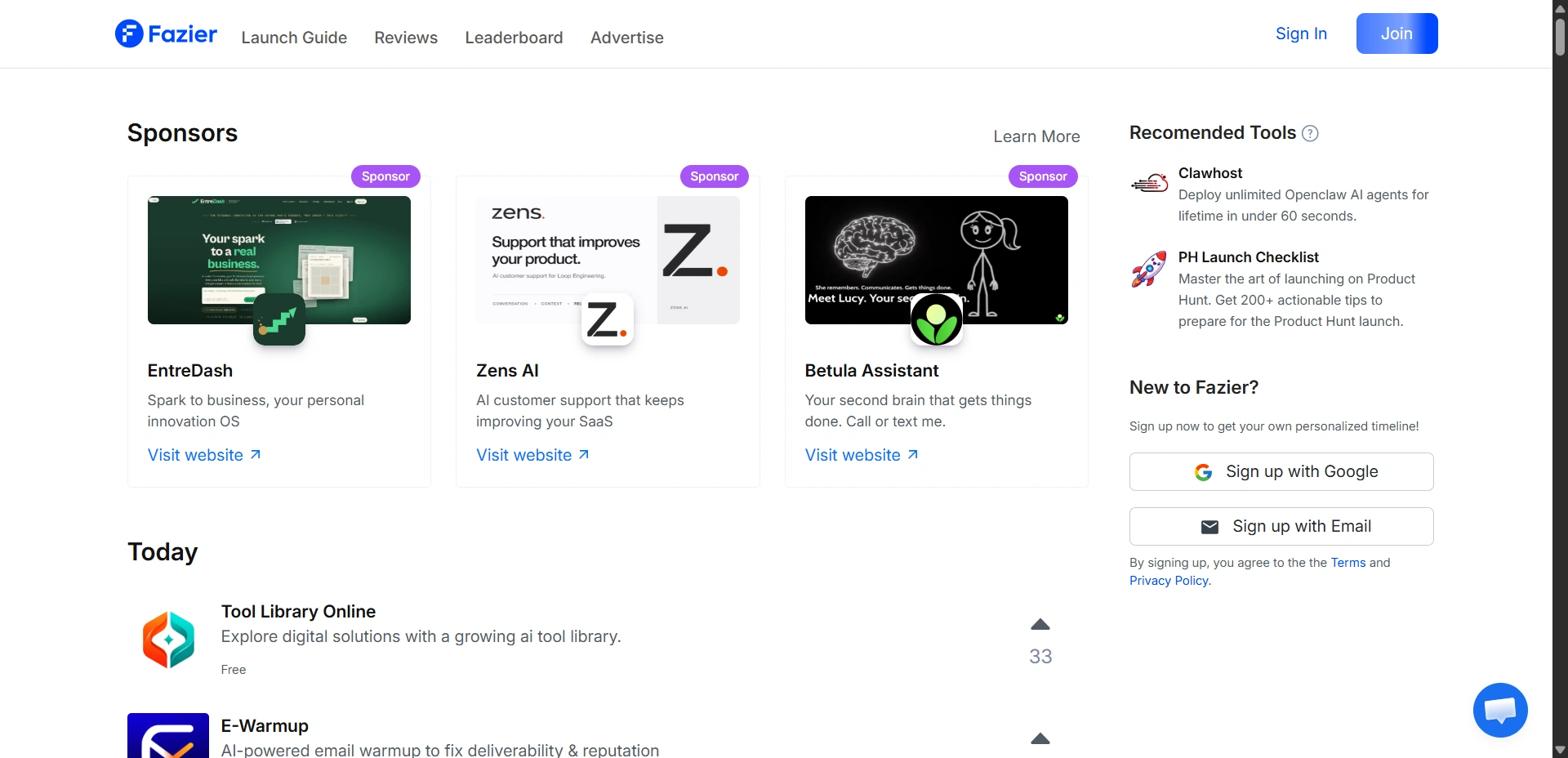
Fazier is another launch/discovery option for startups, SaaS products and indie projects.
I wouldn't treat it as a magical SEO hack.
Instead, treat it as another distribution surface.
Launch.
Get users.
Get feedback.
Get people talking about the product.
Then keep improving the underlying website.
The combination is what matters.
14. DevHunt
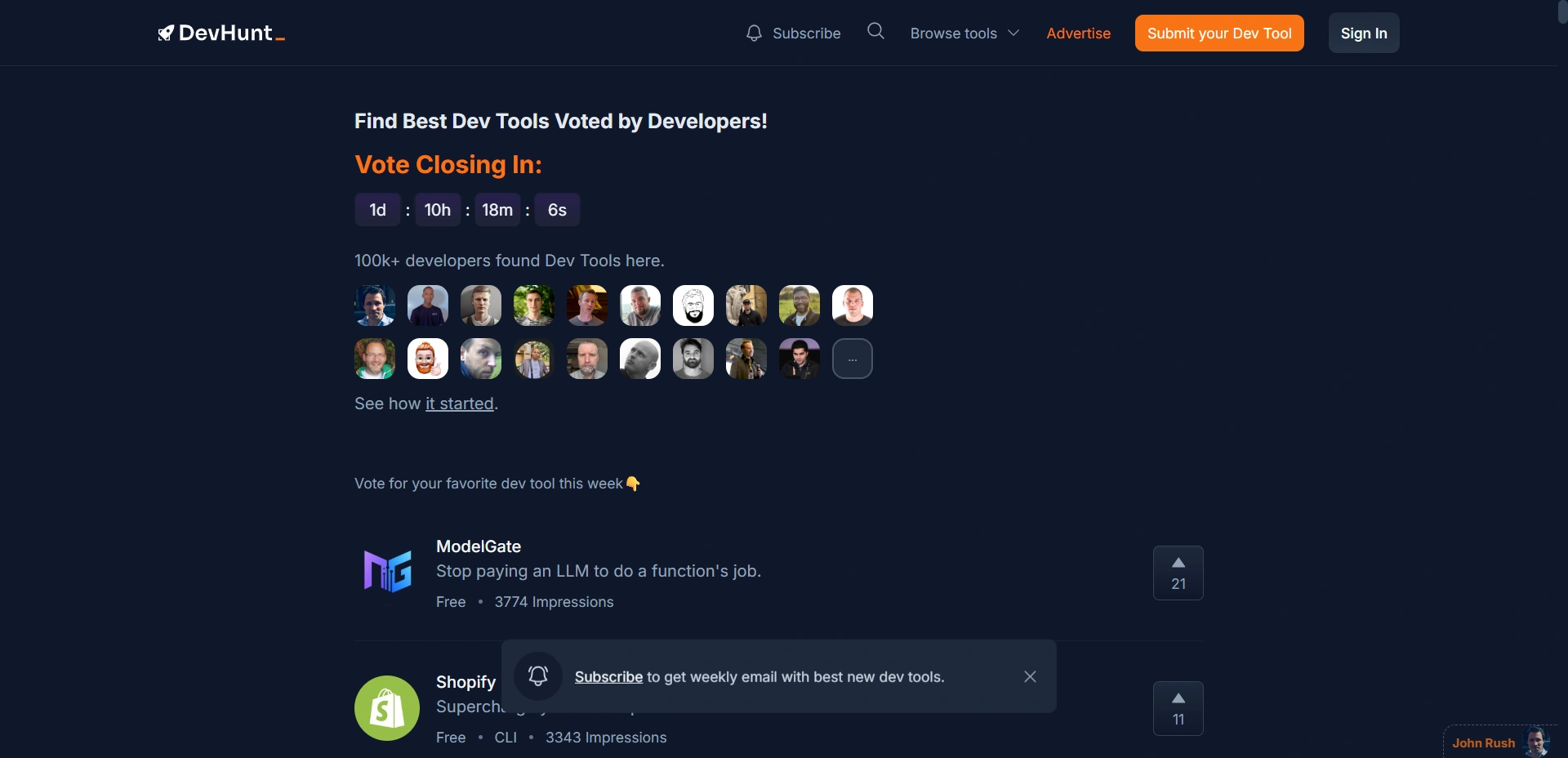
If developers are your target audience, DevHunt is worth considering.
Developer tools need to be discovered differently from consumer apps.
A developer might search:
"Best API testing tools"
"Alternative to Postman"
"Best developer productivity tools"
Having your product present in developer-focused discovery ecosystems can help build context around your category.
15. Crunchbase
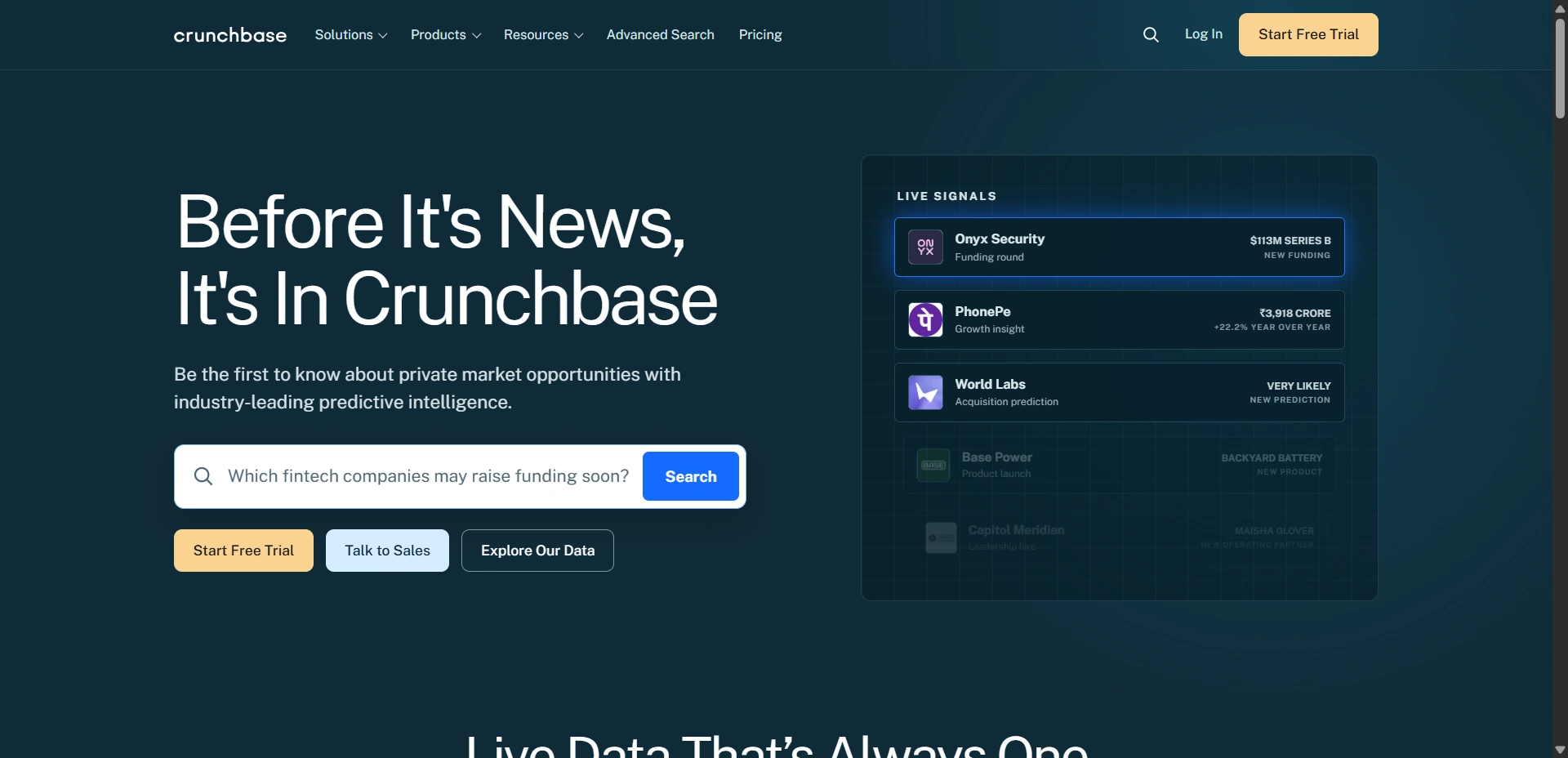
Crunchbase is slightly different from the other platforms.
It's more about your company entity.
Company name.
Founders.
Website.
Industry.
Description.
Funding.
People.
Other company information.
Crunchbase allows authenticated users to create company profile pages and recommends completing company information to improve its appearance in search results.
For a serious startup, this can become one more consistent reference point for your company.
16. NoonLaunch
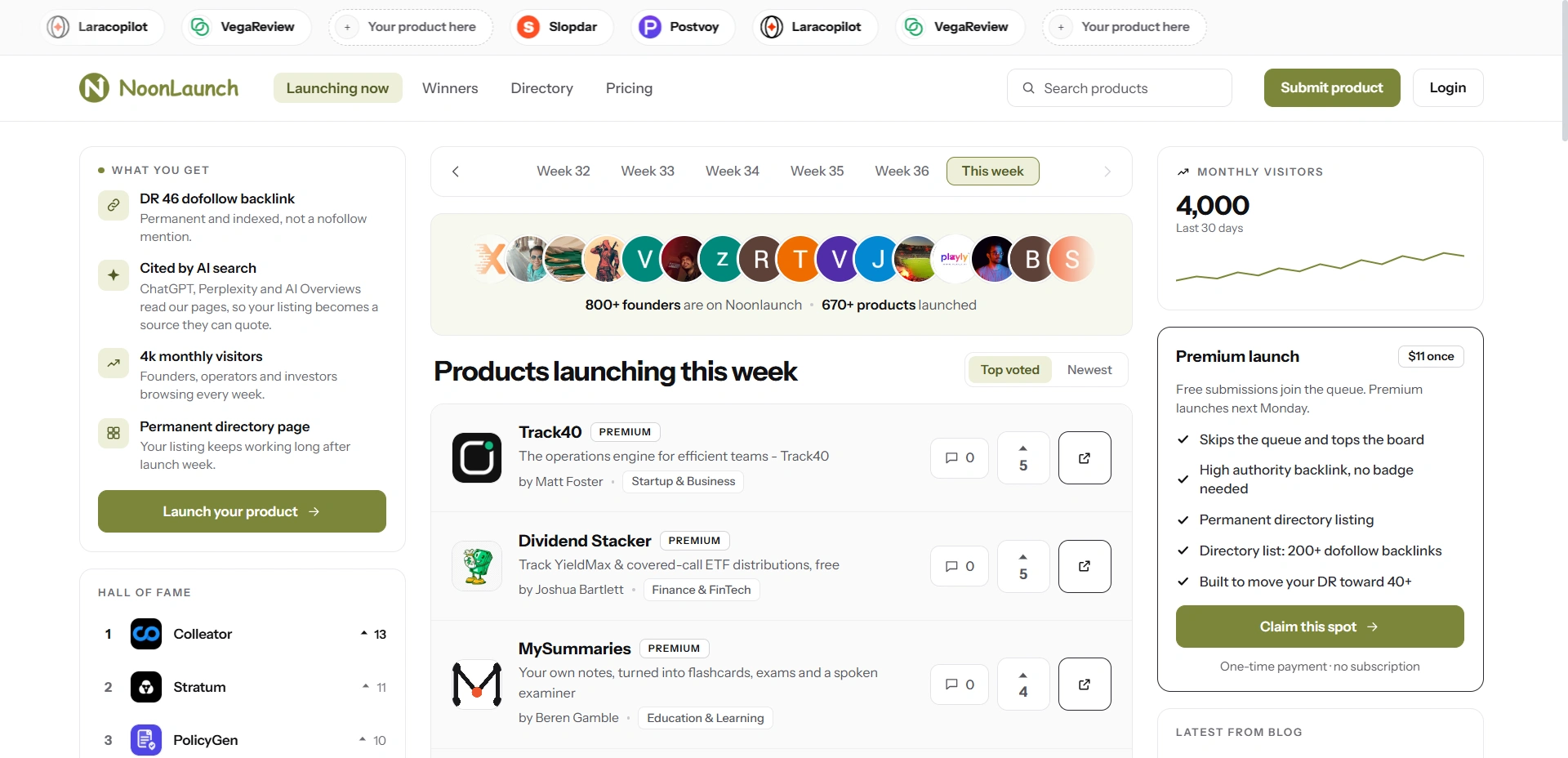
And this is where I would add NoonLaunch.
Not as another random launch directory.
The idea is different.
Your product should be discoverable.
Not just launched once.
NoonLaunch is built around helping software products get discovered across Google and AI search ecosystems.
The bigger idea is:
Launch once. Build your web presence everywhere.
When you launch a product, you want your core information to be consistent:
Product name
Website
Category
Description
Problem it solves
Use cases
Alternatives
Founder/company
Social profiles
Relevant keywords
The more consistently this information exists across legitimate, relevant sources, the easier it becomes for search systems to connect the dots.
But will these platforms actually get you cited by AI?
This is the most important question.
And the honest answer is:
Nobody can guarantee it.
Google explicitly says meeting its requirements does not guarantee that a page will be crawled, indexed or served.
Perplexity says it searches the web and cites sources in its answers.
OpenAI also says public websites can appear in ChatGPT Search and recommends allowing OAI-SearchBot to crawl pages you want discovered and potentially cited.
So there is no:
"Submit here = guaranteed ChatGPT citation."
That's not how this works.
Think of it as building a signal network.
Your website is one signal.
Product Hunt is another.
G2 is another.
AlternativeTo is another.
Crunchbase is another.
A customer review is another.
A Reddit discussion is another.
An article mentioning your product is another.
Your social profile is another.
Now imagine an AI system is trying to understand:
"What is NoonLaunch?"
If it finds the same product name, website, category and description across multiple legitimate sources, there is much more context available to retrieve and reconcile.
That's the real opportunity.
Our strategy is not more directories
This is where many founders get it wrong.
They submit their product to 100 directories with the exact same description.
I wouldn't do that.
Google's current guidance emphasizes valuable, unique, non-commodity content and warns against creating large amounts of content primarily to manipulate rankings or AI responses.
Instead:
Create consistent information.
Create different useful contexts.
Get real users.
Get real reviews.
Get real mentions.
Build real authority.
For example:
Product Hunt tells the story of your launch.
AlternativeTo establishes your alternatives.
G2 establishes your software category and reviews.
Capterra establishes another software category reference.
Hacker News establishes technical discussion.
Indie Hackers establishes the founder story.
Crunchbase establishes the company.
Your website explains the product in detail.
NoonLaunch adds another discovery surface.
Now you aren't trying to force AI to mention you.
You're making your product easier to discover and understand.
Build an entity, not just a website
This is probably the biggest mindset shift.
A new SaaS founder thinks:
"I need to rank my homepage."
A smarter approach is:
"I need the internet to understand what my product is."
That means creating a consistent identity across relevant platforms.
Google says Organization structured data can help it understand an organization and disambiguate it from other organizations. Google also provides SoftwareApplication structured data specifically to help Search understand software application information.
So make sure your own website is technically clear too.
Use:
Organization structured data
SoftwareApplication structured data where appropriate
Clear About page
Founder information
Product category
Pricing
Use cases
Product features
Comparison pages
Customer evidence
Internal links
Crawlable content
Search Console
XML sitemap
And make sure your public pages aren't accidentally blocked from crawlers.
My recommended launch stack
If I were launching a SaaS today, I wouldn't choose just one.
I'd create a launch footprint.
Core:
Product Hunt
AlternativeTo
G2
Capterra
SaaSHub
Crunchbase
If it's AI:
There's An AI For That
Futurepedia
If it's technical:
Hacker News
DevHunt
For founder/building communities:
Indie Hackers
Peerlist
For early-stage discovery:
BetaList
Uneed
Fazier
NoonLaunch
Then keep publishing useful content on your own website and earning genuine mentions elsewhere.
Because that's the part founders often miss.
The launch is not the finish line.
It's the beginning of your product's digital footprint.
And if your goal is to get discovered not only by Google, but also by the AI systems increasingly being used as search engines, you want your product to be easy to find, easy to understand, and consistently represented across the web.
That's a much better strategy than simply asking:
"Where can I get a backlink?"
The better question is:
"Where can my product become known?"
Hope you enjoy reading the blog, If your find this informative, feel free to tag me on X and share this.