 By
Avinash Vagh
Where Should I Launch My Software Product?
You built the product.
The website is live. The demo works. Maybe you already have a few users.
Now comes the harder question:
Where should I launch it?
If you're launching software today, I wouldn't put everything into one platform.
Product Hunt can work. Hacker News can work. Reddit can work. LinkedIn can work. X can work. YouTube can work.
But they solve different problems.
Some are good for launch-day attention. Some are better for feedback. Some help you reach a niche audience. Some create a permanent page for your product. Some can compound into search visibility over time.
The mistake is treating all of them like the same channel.
Your goal shouldn't be:
"How do I get my product launched?"
It should be:
"How do I make my product discoverable in places where my users already spend time?"
That's the difference.
Where should you launch a software product?
For most early-stage software products, I'd build a launch footprint across several channels rather than relying on one launch.
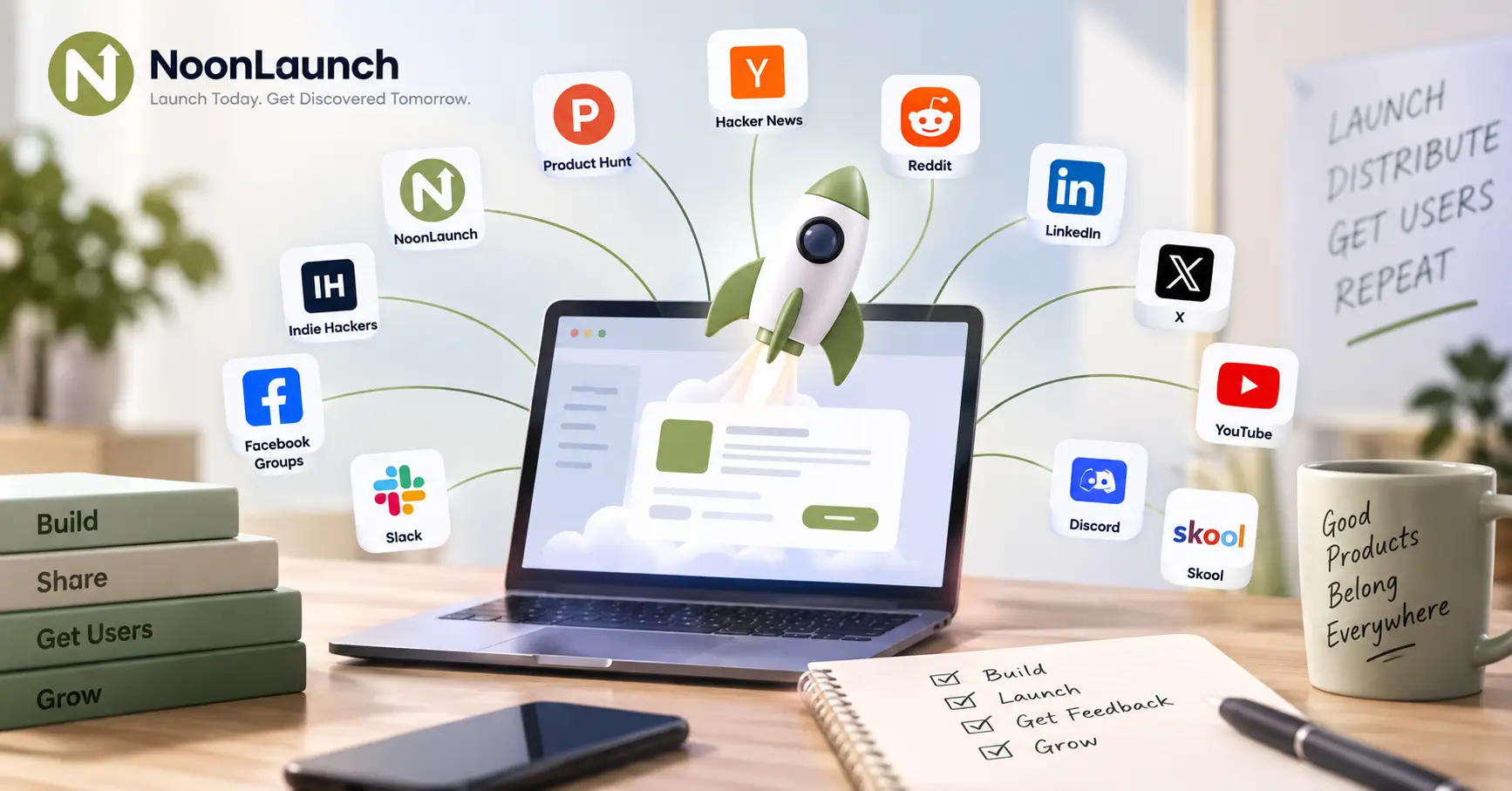
A practical starting mix is:
Product Hunt for product discovery and launch-day attention
Hacker News for technical products and developer audiences
Reddit for niche communities and genuine feedback
Indie Hackers for founders and indie makers
LinkedIn for founder-led distribution and professional audiences
X for founder/build-in-public distribution
YouTube for demos and searchable video content
Facebook Groups for specific industries and niches
Discord, Slack and Skool communities for highly targeted audiences
NoonLaunch for creating another discoverable product presence
You don't necessarily need all of them.
You need the ones that match your product.
Should you launch on Product Hunt?
Yes, if your product fits the Product Hunt audience.
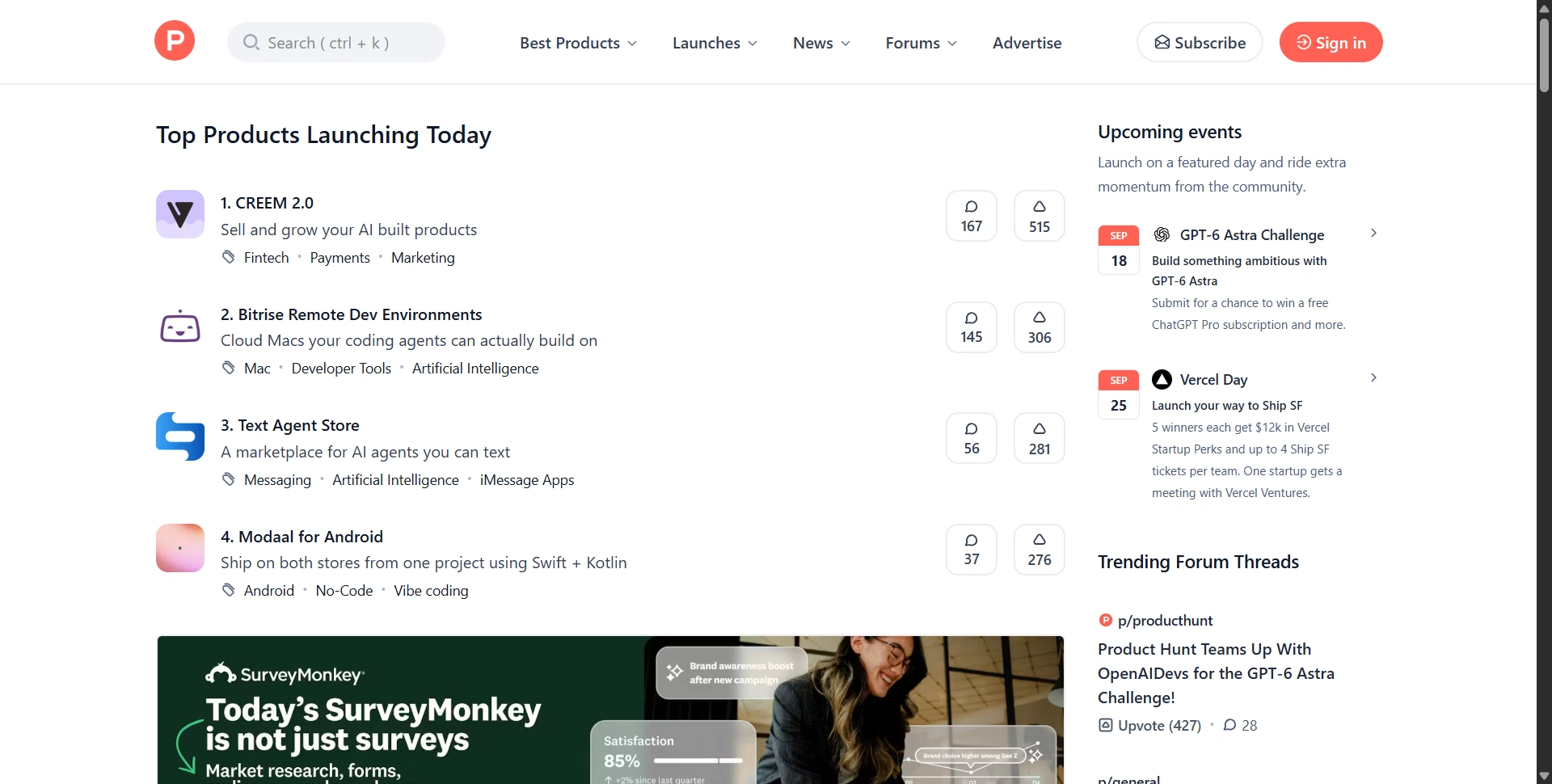
Product Hunt remains one of the obvious places to consider when launching a new software product. Its own launch guide describes the platform as a place to share things you've made and provides launch preparation and promotion guidance. Product Hunt also says you can launch your own product and that asking people to visit and comment is acceptable, while directly asking for upvotes is not.
But don't make the mistake of thinking:
Product Hunt launch = marketing strategy.
It isn't.
It's one event inside your distribution strategy.
Before launching, prepare your demo, screenshots, product description, launch post and distribution plan.
Then use the launch as content.
Take the same product demo and turn it into:
a LinkedIn video
an X post
an X thread
a YouTube Short
a YouTube walkthrough
a Reddit discussion where relevant
a founder story
One launch can become many pieces of distribution.
And if you're researching alternatives to Product Hunt, our Product Hunt Alternatives guide covers other launch platforms and when they make sense.
Is Hacker News a good place to launch software?
For technical products, it can be extremely relevant.
But Hacker News is not another Product Hunt.
The audience and expectations are different.
If you've built a developer tool, infrastructure product, programming tool, open-source project or something technically interesting, Show HN can be worth considering.
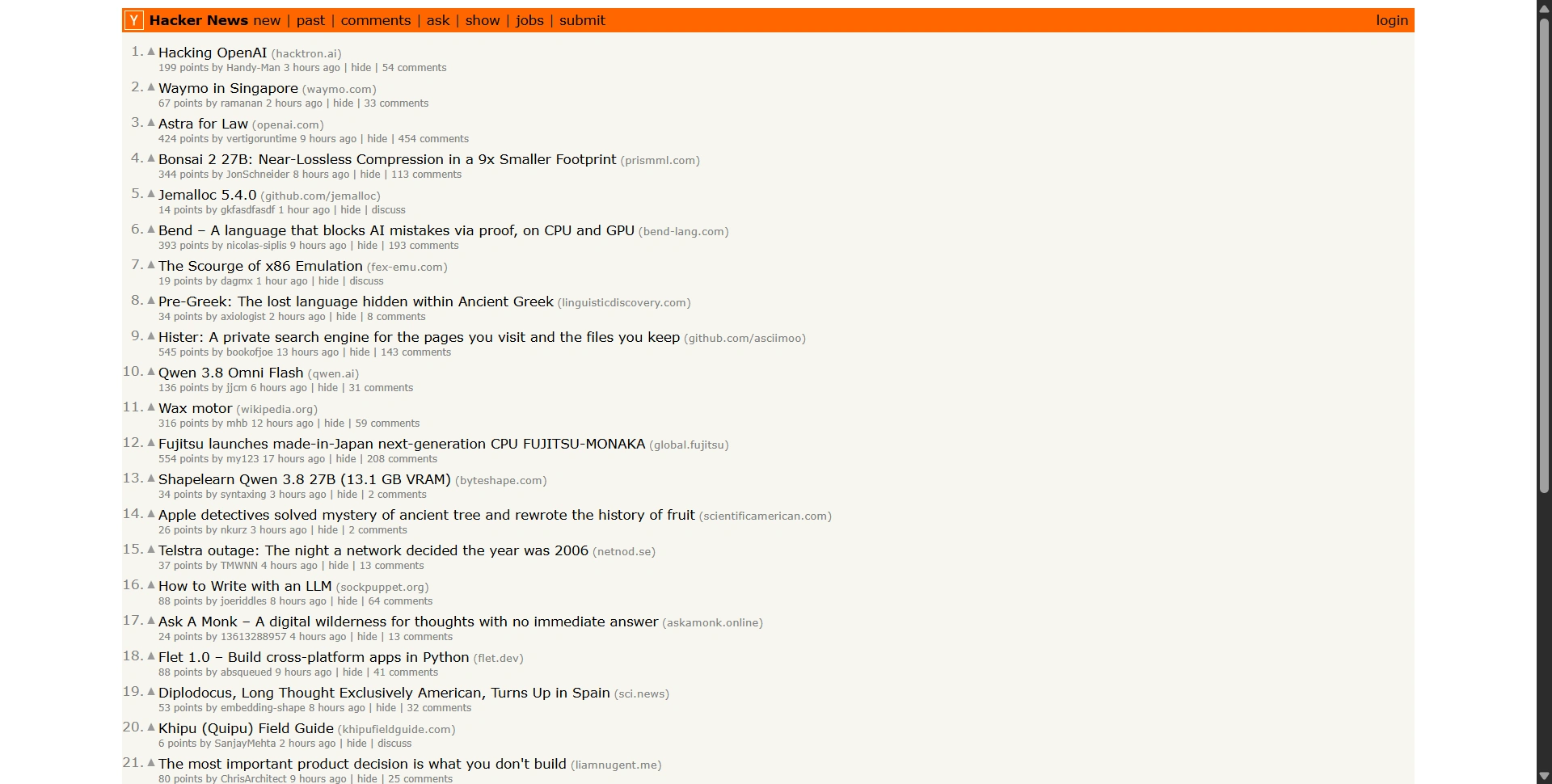
Hacker News explicitly says Show HN is for something you've made that people can actually try. It discourages landing pages, sign-up pages and projects that are not ready to be used. It also says the creator should have personally worked on the project and be available to discuss it.
That changes how you should prepare.
Don't write:
"We just launched our amazing AI developer platform. Check it out!"
Show what you built.
Explain why you built it.
Make it easy to try.
Be available in the comments.
And don't ask friends to manipulate votes. Hacker News explicitly prohibits asking friends to upvote or comment.
For a technical product, that can be far more valuable than simply getting a spike of visitors.
Should you launch on Reddit?
Yes, but don't treat Reddit like a free advertising network.
This is where many founders get it wrong.
They create an account.
They post:
"I built this SaaS. Check it out!"
Then they wonder why nobody cares.
Reddit works better when the post belongs in the community even if your product didn't exist.
For example, if you built an SEO tool, don't only post the product.
Share something useful:
I analyzed 200 SaaS websites and found these five technical SEO patterns.
Then explain what you found.
If your product genuinely helps solve the problem, mention it naturally.
Different communities have different rules. For example, current r/SaaS guidance emphasizes that self-promotion must be occasional and relevant, while direct sales and non-productive promotion can result in removal or bans.
Some communities are even stricter.
r/Entrepreneur currently prohibits product and service promotion, including dropping URLs or asking people to DM you.
So don't build your launch plan around:
"I'll post this everywhere on Reddit."
Instead:
Find the five communities where your actual customer already participates.
Then learn how each community works.
Which subreddits should you consider?
There isn't one universal Reddit list.
The right subreddit depends on your product.
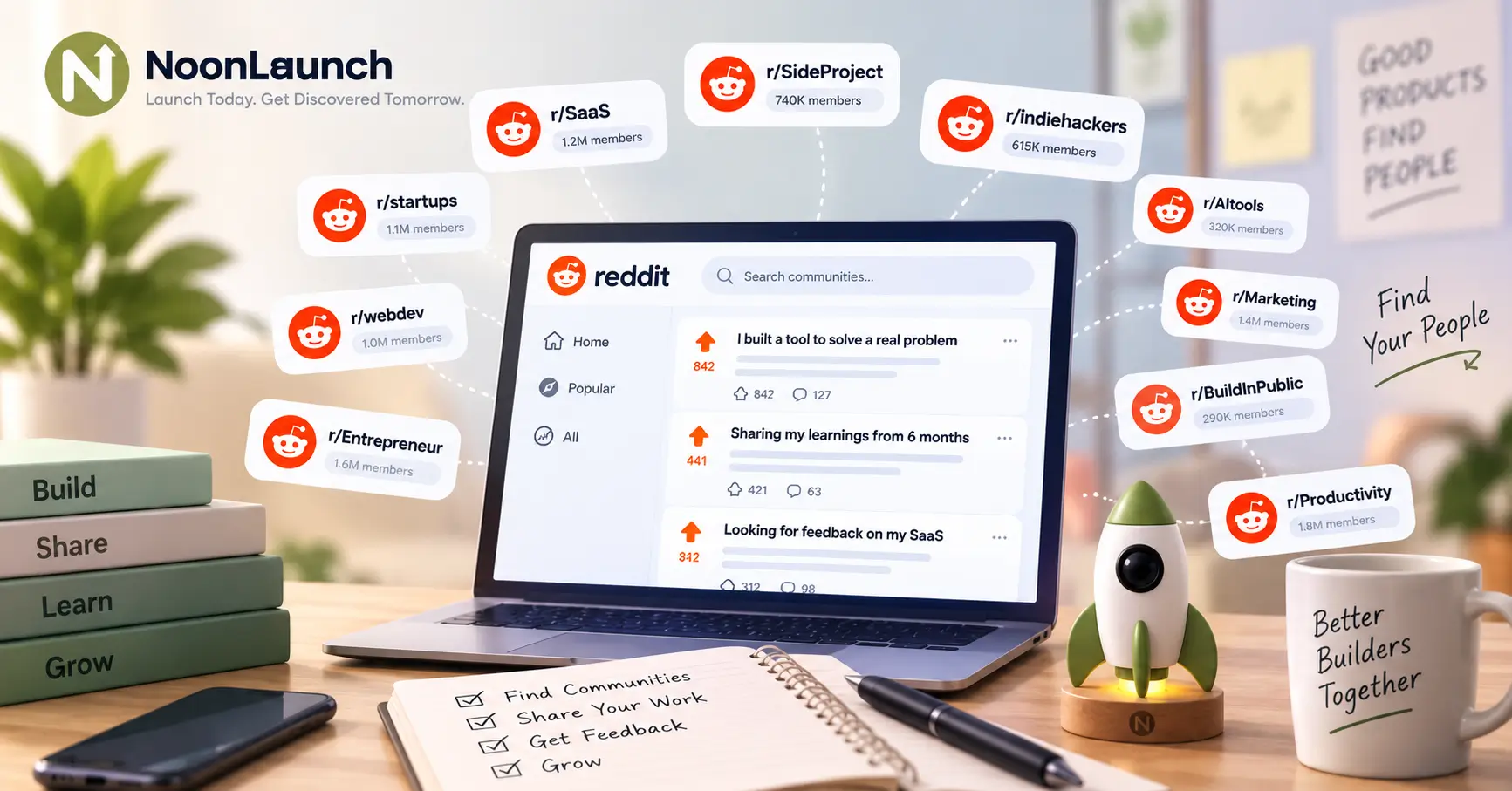
For SaaS founders, r/SaaS is an obvious community to research, but its current rules are particularly important because self-promotion is tightly controlled.
For technical products, look for communities around the actual technology or problem you're solving.
For side projects, r/SideProject can be relevant, but community participation matters. Recent discussions in the subreddit emphasize using the correct self-promotion context and contributing beyond simply dropping a product link.
For indie founders, r/indiehackers can be relevant, but its current moderation direction also distinguishes genuine founder stories from promotional posts.
And don't forget smaller communities.
A subreddit with 20,000 highly relevant people can be more useful than a giant subreddit where nobody cares about your category.
Can LinkedIn work for launching software?
It can, especially if your buyers are professionals, founders, marketers, developers, operators or business teams.
But I wouldn't post:
"We're excited to announce our new product."
I'd show the product.
Record your screen.
Show the workflow.
Show the before and after.
Show something that makes someone stop scrolling.
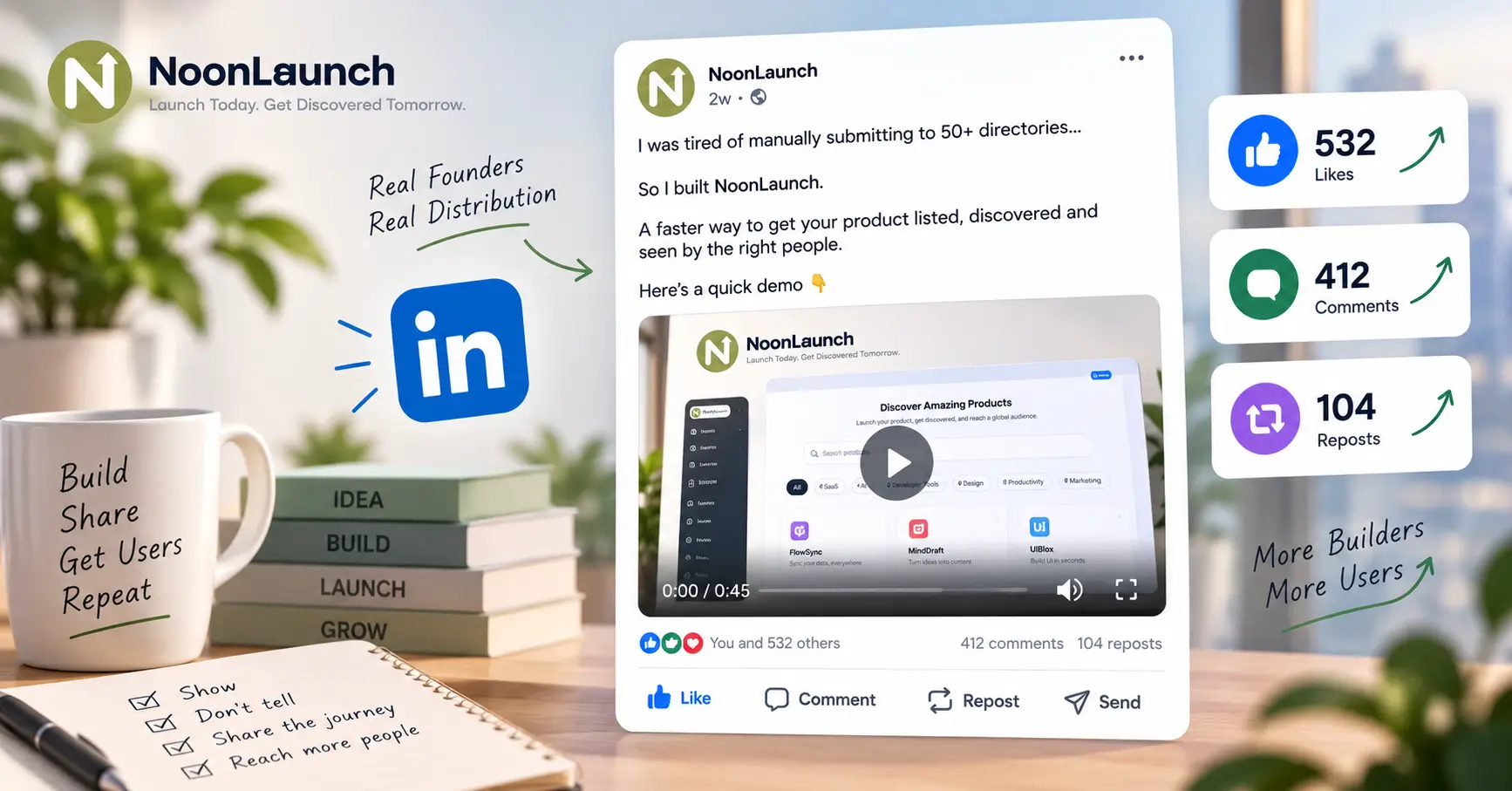
For example:
I was tired of doing this manually.
Then show the old workflow.
Then:
So I built this.
Show the product.
Then:
It now takes 30 seconds.
That's a launch post.
LinkedIn's current guidance says video visibility depends on factors including relevance, quality and member feedback, and describes useful video as clear, relevant and actionable.
So don't make the launch video an advertisement.
Make it proof that the product works.
Should you launch on X?
X is particularly useful when you're willing to show the building process.
Don't only announce the finished product.
Show:
what you built today
a feature before and after
a failed experiment
an unexpected result
customer feedback
revenue or usage milestones when you can substantiate them
product demos
screenshots
short walkthroughs
A 30-second product demo can communicate more than a paragraph explaining your product.
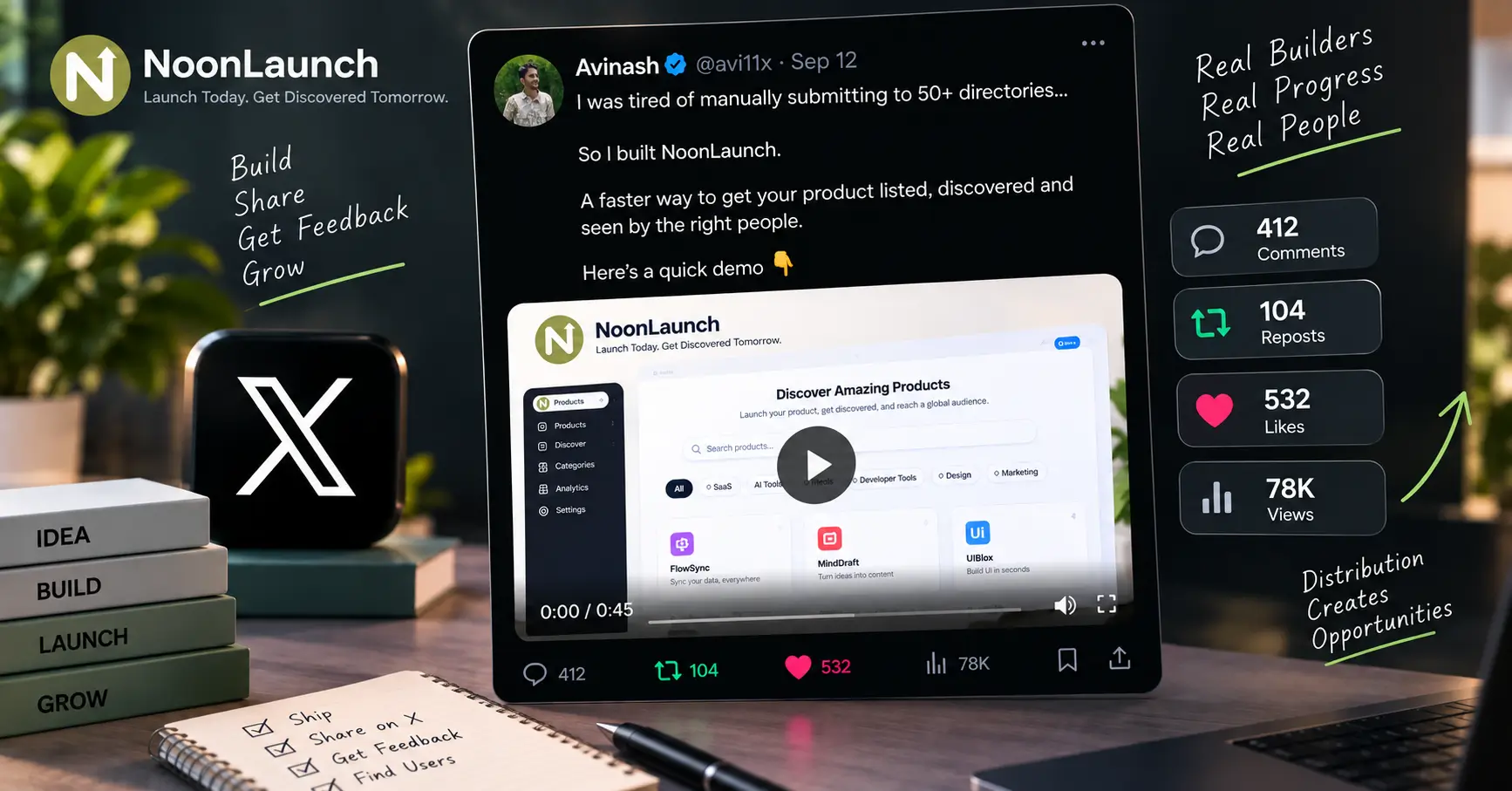
X supports video directly in posts, including uploaded videos and videos added to threads.
But don't manufacture engagement.
X prohibits spammy or inauthentic behavior, including bulk, duplicated or unsolicited activity intended to manipulate distribution.
Build an audience around the problem you're solving, not just around your launch announcement.
What about YouTube?
Don't overlook it.
If your product needs explanation, YouTube gives you something most launch platforms don't:
a searchable demonstration of your product.
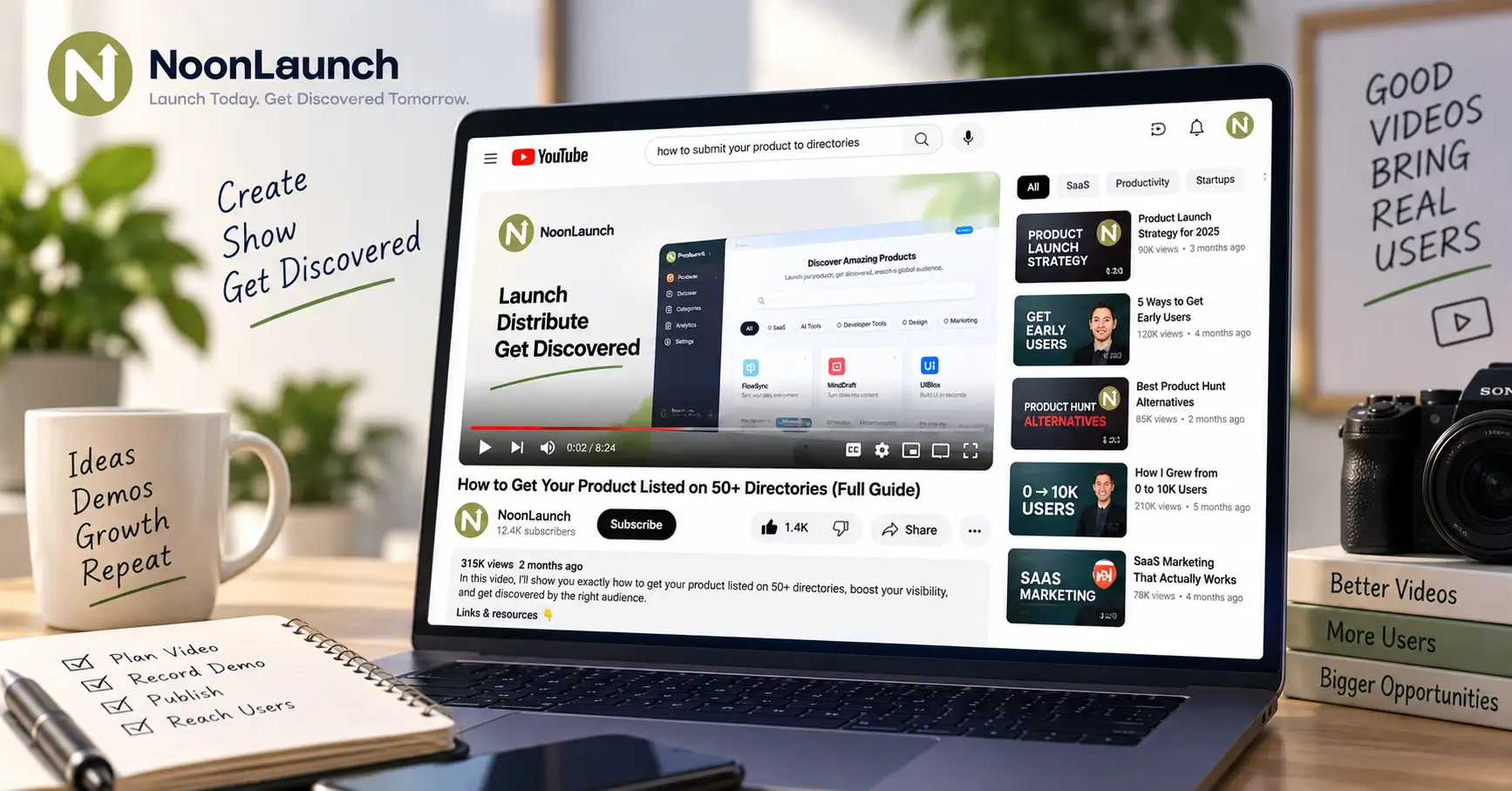
Create a simple video:
"How to do X with [Product]"
or:
"I built X to solve Y"
or:
"How I automated X"
Your video doesn't need cinematic production.
It needs to answer a real question.
YouTube says search ranking considers relevance, engagement and quality, including how well the title, description and video content match the search query.
Its recommendation system also uses viewer behavior and satisfaction signals rather than simply promoting videos because the creator wants them promoted.
So make videos people would actually search for.
Your product becomes the demonstration.
Should you use Facebook Groups?
If your product serves a specific niche, absolutely consider them.
Don't search for:
"startup groups"
only.
Search for the actual customer.
If you've built software for:
real estate agents
Shopify stores
agencies
developers
recruiters
designers
dentists
ecommerce operators
content creators
find communities where those people already talk.
Again, don't enter the group and immediately post your URL.
Read the rules.
Answer questions.
Understand the language people use.
Then contribute when your product genuinely solves the problem.
What about Discord, Slack and Skool communities?
These can be even more targeted.
A public launch platform gives you broad exposure.
A niche community can give you context.
Suppose you've built a tool for Laravel developers.
A general startup community might give you 100 impressions.
A Laravel community with the exact developers you're targeting might give you five conversations with people who actually understand the problem.
That's valuable.
Look for communities around:
the technology you support
the profession you serve
the industry you're targeting
the workflow you're improving
competing products
creator communities
founder communities
The smaller the community, the more important it is to behave like a member rather than an advertiser.
Where does NoonLaunch fit?
This is the part I would add to the launch stack that founders often overlook.
Social posts are great for attention.
Communities are great for conversation.
Videos are great for demonstration.
But you also want your product to have public, discoverable representations across the web.
That's where a launch platform like NoonLaunch fits.
You can launch your product on NoonLaunch as another part of your digital footprint, rather than treating it as a replacement for every other channel.
The idea is simple:
Don't put the entire launch on one website.
Build a footprint.
Your product can have:
your own website
Product Hunt presence
relevant directory listings
community discussions
social profiles
YouTube demonstrations
third-party mentions
a NoonLaunch product listing
Then keep publishing useful content on your own website.
Over time, you're not just creating launch-day traffic.
You're creating more places where someone can discover your product.
And that's increasingly important as search behavior expands beyond traditional search engines.
So where should you actually launch?
If I were launching a new software product, I'd start with this:
Core launch
Product Hunt
NoonLaunch
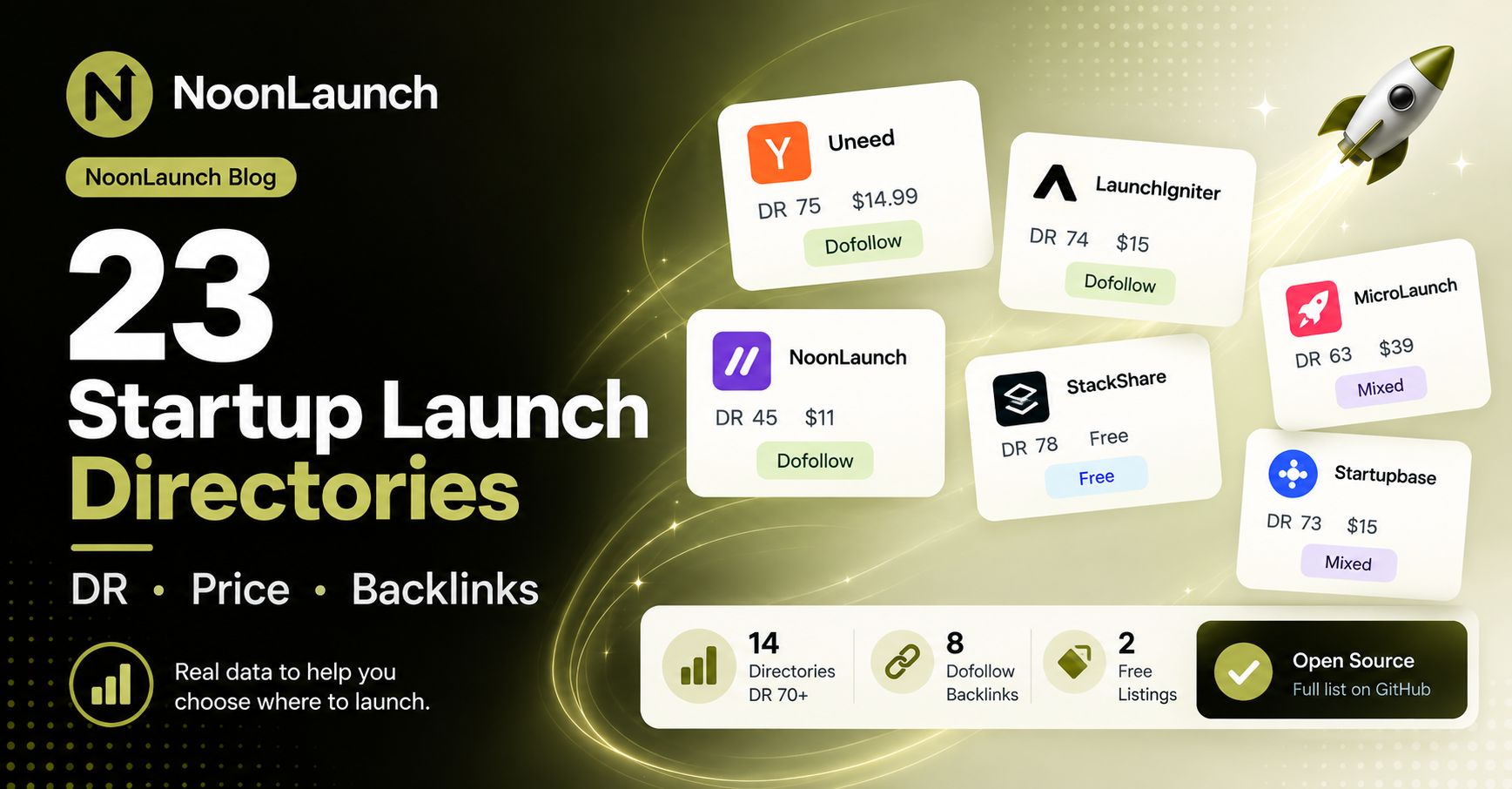
One or two relevant product directories like Uneed, Startupbase etc.
If it's technical
Hacker News
Relevant developer communities
For founder distribution
LinkedIn
X
Indie Hackers
For niche discovery
Relevant Reddit communities
Facebook Groups
Discord communities
Slack communities
Skool communities
For long-term content discovery
YouTube
Your own website
Not every product needs all 15.
That's the point.
Choose based on where your customer actually is.
The launch isn't the finish line
This is the part I'd keep in mind before publishing anything.
You don't need to make your launch bigger.
You need to make your product easier to discover.
A launch on Product Hunt might bring attention.
A Show HN might bring technical users and feedback.
A Reddit discussion might introduce you to a niche.
A LinkedIn demo might reach your professional network.
An X video might travel further than the original announcement.
A YouTube tutorial can continue bringing visitors after launch day.
A NoonLaunch listing can become another public representation of the product.
These aren't competing strategies.
They're pieces of the same distribution system.
Launch once.
Then keep distributing.
Because the real objective isn't:
"We launched."
It's:
"People can now find us."
And once people can find you in more places, you have something much more valuable than a launch-day spike.
You have a product footprint.